
How To
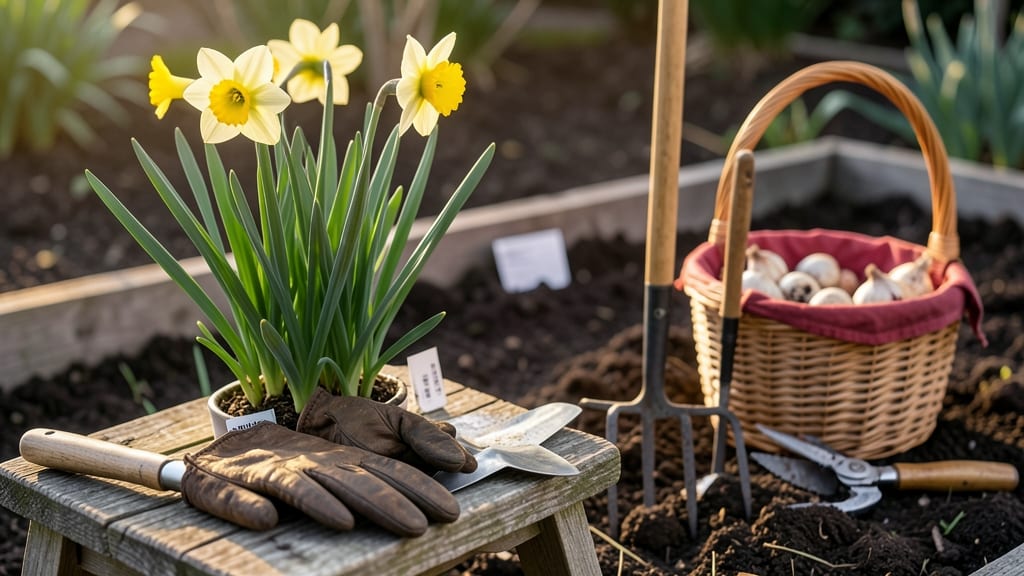
Harvesting daffodils at the right time can mean the difference between vibrant cut flowers that last for weeks and blooms that wilt too soon.
Whether you're snipping stems for your vase or saving bulbs for next season, timing is everything—and one wrong move could leave you with limp petals or stunted growth.
I’ve learned the hard way that daffodils 🌼 don’t follow the same rules as other flowers. You can’t just cut them when they’re fully open; the key is to harvest them at peak freshness while still leaving enough energy in the bulb for future blooms.
This guide will walk you through the exact moments to harvest, the tools you’ll need, and how to handle them afterward—whether you’re forcing them indoors or replanting for next spring.
If you’ve ever wondered why your daffodils droop after just a few days in a vase or why your bulbs refuse to sprout again, you’re not alone. The secret lies in understanding when their natural cycle shifts from blooming to storing energy.
I’ll show you how to spot the perfect moment to harvest, so you can enjoy their beauty without sacrificing the plant’s future.
Ready to master the art of harvesting daffodils? Let’s dive into the step-by-step process—from cutting stems for your home to digging up bulbs for propagation—so you can keep your garden (and your vase) bursting with color year after year.
Best time to harvest daffodils for cut flowers & longevity
Harvesting daffodils at the right stage ensures longer vase life and prevents stressing the bulb system. The ideal time is when flower buds are fully open but before petals begin wilting—typically late morning on a cool day. This timing maximizes water uptake and minimizes stem damage.
For cut flowers, aim for fully colored buds that are just starting to unfurl. Overripe flowers with drooping petals will wilt faster in arrangements. Early morning harvests yield the freshest stems, as they’ve had overnight hydration.
Climate plays a key role: In warmer regions (zones 8-10), daffodils bloom earlier (February-March), while cooler zones (3-7) see peak blooms in April-May. Adjust your timing based on your local last frost date and flower variety.
Never harvest daffodils when buds are still green or tightly closed, as they won’t open properly indoors. Look for vibrant petals and a firm stem—these are your cues for perfect timing.
🌼 Harvest Timeline Summary
| Stage | Signs | Best Time | Vase Life |
|---|---|---|---|
| Bud Stage | Tightly closed, green | Not ready | N/A |
| Early Bloom | Fully colored, slightly open | Ideal harvest | 7-10 days |
| Full Bloom | Petals fully extended | Still good | 5-7 days |
| Late Bloom | Petals wilting | Avoid | 1-3 days |
To extend vase life, cut stems at a 45-degree angle just above a leaf node, then place them immediately in lukewarm water. Change the water every 2-3 days and trim stems by an inch each time to encourage new water uptake.
Harvesting too early or too late can exhaust daffodil bulbs, reducing next year’s blooms. Limit cutting to one-third of stems per plant to avoid overstressing the bulb. For massive displays, focus on harvesting from different plants rather than over-picking one.
In container gardens, daffodils often bloom earlier than in-ground plants. Monitor them closely and harvest as soon as buds open fully. Containers dry out faster, so ensure they’re well-watered 24 hours before harvesting for optimal stem hydration.
For longer-lasting arrangements, add a flower food packet to your vase. These packets contain sugar and acidifiers that slow bacterial growth in the water, keeping stems fresh. Avoid overcrowding stems in vases—leave 1 inch of space between each stem for better air circulation.
After harvesting, let the foliage remain until it yellows naturally. This process allows the bulb to replenish energy for next year’s blooms. Never remove leaves until they’re completely brown—this is critical for bulb health.
🌿 Pro Tip: Harvest daffodils on a cloudy day to reduce stress on the plant. Hot sun can cause stems to wilt faster, even after cutting.
How to harvest daffodil bulbs for transplanting without killing the plant
Harvesting daffodil bulbs at the right time ensures you get healthy specimens for replanting while keeping your garden thriving. Timing is everything—dig too early, and you risk stunted growth; wait too long, and the bulb may not store well.
I’ve learned the hard way that patience pays off when it comes to bulb harvesting!
Start by waiting until 6 weeks after flowering, when the foliage turns yellow but hasn’t completely died back. This signals the bulb has finished storing energy for next year’s blooms. Never harvest before foliage yellows—this weakens the bulb and reduces future blooms.
Use a garden fork or trowel to carefully lift bulbs from the soil.
🚨 WARNING: Common Mistakes That Kill Bulbs 🚨
- Harvesting too soon – Bulbs need time to replenish energy.
- Using sharp tools – Always use a fork or trowel to avoid puncturing bulbs.
- Storing in damp conditions – Moisture causes rot; bulbs need dry, cool air.
- Skipping soil cleanup – Remove excess soil before storage to prevent mold.
After lifting, gently brush off excess soil and let bulbs dry in a shady, well-ventilated area for 1-2 days. This prevents rot during storage. Store bulbs in a paper bag or mesh sack in a cool, dark place (like a basement) until replanting in fall (September–November).
When replanting, choose a spot with well-draining soil and full sun (6+ hours daily). Plant bulbs 6 inches deep and 6 inches apart to give roots room to grow.
Water lightly after planting, but avoid overwatering—daffodils hate soggy soil! Mulch with 2-3 inches of organic matter to protect bulbs over winter.
With proper timing and care, your harvested daffodil bulbs will reward you with vibrant blooms for years. Just remember: patience during harvest = bigger, brighter flowers next spring! 🌼