
How To
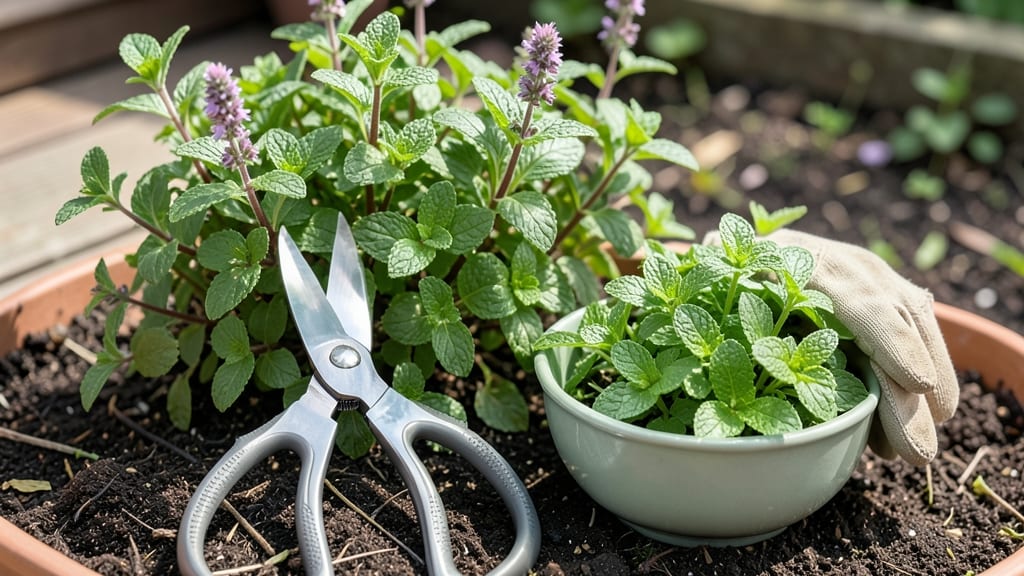
There’s nothing quite like the fresh, bright flavor of homegrown mint straight from your garden—but getting the most from your 🌿 plant starts with knowing exactly when and how to harvest it.
Cut too early or too aggressively, and you’ll stunt its growth. Time it right, though, and you’ll unlock a steady supply of aromatic leaves that keep coming back stronger.
Most gardeners assume mint is low-maintenance, but the key to maximizing yield lies in the details: the best time of day to snip, which stems to avoid, and how to encourage regrowth.
I’ve tested these techniques myself, and the difference between a struggling plant and one that thrives is all in the method.
In this guide, I’ll walk you through the optimal harvesting window—from early summer’s peak growth to late-season care—and share my go-to tools for clean cuts that won’t shock your plant.
You’ll also discover how to store your harvest so the flavor stays vibrant, whether you’re freezing sprigs for cocktails or drying bundles for winter teas.
Ready to turn your mint patch into a flavor powerhouse? Let’s dive into the step-by-step secrets that’ll keep your plant happy, productive, and ready for your next recipe—or glass of lemonade.
Best time and method to harvest mint for optimal regrowth
Harvesting mint at the right time ensures your plant stays lush and productive. Aim to pick leaves when the plant reaches 4-6 inches tall and has fully developed leaves.
This usually happens 60-90 days after planting, depending on your climate. Early morning harvests yield the freshest flavor since mint’s oils are most concentrated then.
For continuous harvests, focus on the outer stems first. This encourages new growth from the center, keeping your mint bushy. Avoid cutting into the woody base—this can stunt regrowth. Instead, trim just above a leaf node where new shoots will emerge.
Season matters too. In spring and summer, mint grows aggressively, so you can harvest every 4-6 weeks. In fall, slow growth means spacing harvests 6-8 weeks apart. Never harvest in winter unless you’re in a mild climate—mint goes dormant and needs rest.
Use clean, sharp pruning shears or scissors to make clean cuts. Dull tools crush stems, inviting disease. Always sterilize your tools with rubbing alcohol between cuts to prevent bacterial spread. A small knife works for individual leaves, but shears are better for larger stems.
Harvest Early Morning
Pick leaves when dew is still present for peak flavor and moisture.
Use Clean Tools
Sterilize scissors or shears with rubbing alcohol to avoid spreading disease.
Trim Outer Stems First
Encourages bushier growth from the center of the plant.
Avoid Flowering Stems
Removing flower buds redirects energy to leaf production.
Leave 6-8 Sets of Leaves
Ensures the plant has enough energy to regrow.
If you’re harvesting for long-term storage, cut entire stems about 3-4 inches long. Bundle them and hang upside down in a dry, dark place to dry. For immediate use, pluck individual leaves—no need to cut stems. This method minimizes stress on the plant and keeps it producing.
Over-harvesting is a common mistake. Never take more than one-third of the plant at once. Mint is hardy, but even it can’t recover from aggressive pruning. If you need a lot of mint, consider planting multiple containers or pots—this also prevents mint from spreading invasively in garden beds.
After harvesting, give your mint a light fertilizer to replenish nutrients. Use a balanced 10-10-10 fertilizer at half strength. Water deeply to help the plant recover, especially if you’ve trimmed it heavily. Avoid fertilizing in late summer or fall—this can encourage tender new growth that won’t survive frost.
Watch for signs of stress after harvesting, like yellowing leaves or wilting stems. These indicate over-pruning or underwatering. Adjust your care routine accordingly. With the right approach, your mint plant will reward you with continuous harvests all season long. 🌿
Best time and method to harvest mint for optimal regrowth
Harvesting mint at the right time ensures your plant stays lush and productive. Aim to pick leaves when your mint reaches 4-6 inches tall and has 6-8 sets of leaves.
This usually happens 60-90 days after planting, depending on growing conditions. Early morning harvests yield the most fragrant leaves, as essential oils peak after a cool night.
Use clean, sharp scissors or pruning shears to make cuts just above a leaf node. Avoid tearing leaves, which can damage the plant. For a bushier harvest, trim the top 2-3 inches of stems—this encourages new growth from lower nodes.
Never cut more than one-third of the plant at once to prevent stress.
- 📅 Timing: Harvest in spring and summer for peak flavor; avoid fall if frost is near.
- ✂️ Tools: Use sterilized scissors to prevent disease spread.
- 🌱 Regrowth: Cut above leaf nodes to stimulate new shoots.
- 💧 Water: Water 24 hours before harvest for tender leaves.
- 🌡️ Avoid: Never harvest when soil is waterlogged or frozen.
For container-grown mint, trim stems back by half their height to control sprawl. Regular pruning—every 4-6 weeks—keeps plants compact and prevents flowering, which can reduce leaf production. If your mint bolts (sends up flower stalks), cut the stems back to 2 inches above ground to encourage leafy regrowth.
Seasonal timing matters: In spring, harvest lightly to avoid overstressing new growth. During summer’s heat, focus on morning harvests to preserve flavor. In fall, reduce harvesting as days shorten, allowing the plant to store energy for next year.
Always leave at least 6 inches of growth to sustain the root system.
Pro tip: Save a few stems to root in water if you’re dividing your mint. Place cuttings in a jar of water until roots form (about 2 weeks), then transplant to soil. This propagates your plant while giving you fresh harvests.
Your mint’s health depends on balance—harvest wisely, and you’ll enjoy continuous growth and bold flavor all season long. 🌿