
How To
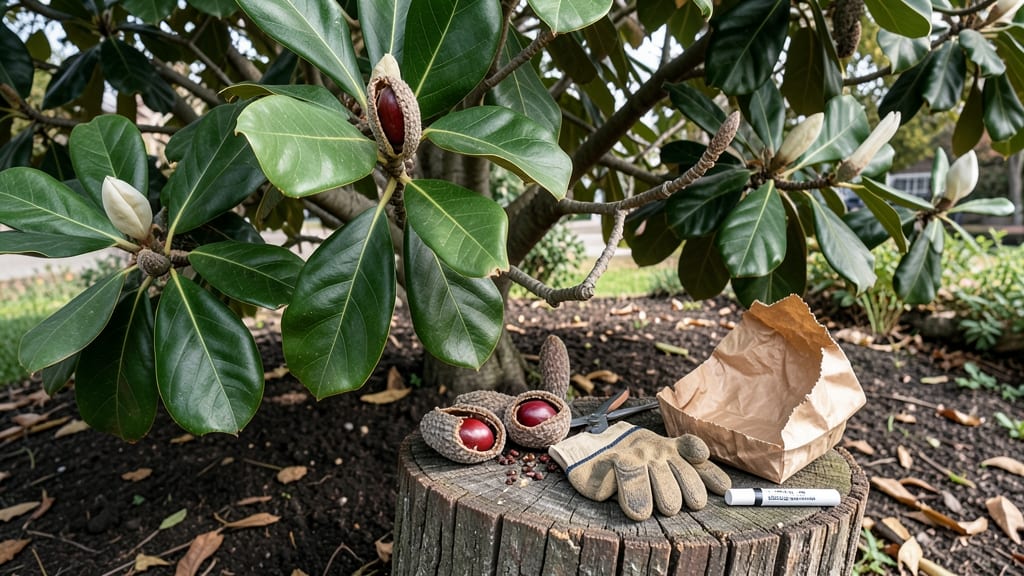
Harvesting magnolia 🌸 seeds at the wrong time means watching your hard work turn to dust—literally. Those cone-like pods hold the key to growing a majestic tree, but timing and technique make all the difference.
I’ve spent years perfecting the process, and what I’m about to share will help you collect, clean, and store seeds the right way for maximum germination success.
Most gardeners assume you can harvest magnolia seeds anytime they’re ready—but that’s a common mistake. The best window is late fall to winter, when the cones turn brown and split open naturally.
Missing this critical timing can leave you with seeds that won’t sprout, no matter how carefully you handle them.
What sets successful harvesters apart? It’s not just about when you pick the seeds—it’s about how you prepare them afterward. From drying techniques to cold stratification, every step matters. Let me walk you through the exact process, so you can turn those seeds into thriving young trees without the guesswork.
Whether you’re a seasoned gardener or just starting, this guide cuts through the confusion. You’ll learn how to identify ripe seeds, extract them safely, and store them properly for next spring’s planting. No more wasted effort—just proven results for growing your own magnolia from seed.
When and how to identify ripe magnolia seeds for harvesting
Harvesting magnolia seeds at the perfect moment ensures the highest germination rates. The key is recognizing ripe seed pods—those that have turned from green to dry brown and are splitting open naturally.
This usually happens late fall to winter, typically October through January in USDA zones 6-10, depending on your local climate.
Start by inspecting the seed cones on your magnolia tree. Look for brown, papery pods that feel dry to the touch. These cones often detach easily from the tree when mature, signaling it’s time to harvest.
Avoid collecting seeds from green or closed pods, as they’re not yet ready for extraction.
Inside the ripe cones, you’ll find dark, firm seeds. These seeds should feel hard and heavy—a sign of high viability. Soft or shriveled seeds indicate poor quality and low chances of successful germination.
Always prioritize seeds that appear dry and plump, as moisture can lead to mold during storage.
Timing is critical: harvest seeds immediately after cones open to prevent them from falling to the ground, where they may spoil or attract pests. Early morning is ideal for collecting, as dew reduces seed moisture and makes handling easier.
Use a clean bucket or paper bag to gather seeds directly from the tree.
| Stage | Pod Color | Seed Condition | Harvest Readiness |
|---|---|---|---|
| Early (Green) | 🟢 Green | Soft, underdeveloped | Not ready |
| Mid (Brown) | 🟤 Light brown | Firming up | Wait 2-4 weeks |
| Late (Dry) | 🟤 Dark brown | Hard, dark seeds | Ready to harvest |
Climate plays a role in harvest timing. In warmer zones (8-10), cones may ripen as early as September, while in cooler zones (6-7), wait until December or January. Observe your local magnolia trees—if cones are opening naturally, it’s a clear signal to act quickly.
Pro tip: Shake the tree gently to encourage ripe cones to drop. Lay a tarpaulin or cardboard beneath the tree to catch falling seeds, making collection effortless. This method also helps you avoid missing seeds that may have already detached.
Once harvested, separate viable seeds from debris by winnowing—spread them on a flat surface and use a fan or gentle breeze to remove chaff. Store seeds in a paper envelope in a cool, dry place until you’re ready for cold stratification, a critical step for breaking dormancy.
If you miss the harvest window, don’t despair. Some magnolia seeds remain viable for up to 6 months if stored properly. However, fresh seeds always yield the best germination results, so prioritize timely collection whenever possible.
🌿
Step-by-step process for extracting, cleaning, and storing magnolia seeds
Once you’ve identified ripe magnolia seeds, the next critical step is harvesting and processing them correctly. Magnolia seed pods can be tricky—overhandling can damage the delicate seeds inside. Start by wearing gloves and safety glasses to protect yourself from any sharp pod fragments or sap.
Use a sharp pair of pruning shears or clean hands to gently twist the mature seed pods from the tree. Avoid pulling, as this can break the branches. Place the pods in a paper bag or breathable container to allow airflow and prevent moisture buildup, which can cause mold.
Step-by-Step Extraction Guide
- 1. Dry the pods: Spread pods in a single layer on a tray or screen in a dry, shaded area for 2-3 days. Avoid direct sunlight to prevent cracking.
- 2. Open the pods: Once fully dry, place pods in a clean cloth bag and gently crush them with a rolling pin or mallet. This releases the seeds without damaging them.
- 3. Separate seeds: Sift the mixture through a fine mesh sieve to separate seeds from chaff. Discard any soft or discolored seeds—these won’t germinate.
- 4. Clean seeds: Rinse seeds briefly in lukewarm water to remove sap, then pat dry with a paper towel. Let them air-dry for 24 hours before storage.
- 5. Store properly: Place dried seeds in a paper envelope or breathable container with a desiccant packet to absorb moisture. Label with the harvest date and store in a cool, dark place (ideal: 35-40°F).
Never store magnolia seeds in airtight containers—this traps moisture and leads to rot. If you’re planning to stratify seeds (a cold treatment to break dormancy), place them in a refrigerator for 6-8 weeks before sowing. This mimics winter conditions and significantly boosts germination rates.
One common mistake is skipping the drying step, which can cause mold. Always check for firm, dark seeds before storage—any that feel soft or shriveled should be discarded.
With proper care, your seeds can remain viable for up to 2 years, giving you multiple chances to grow your magnolia tree.
For best results, sow seeds within 6 months of harvest. The longer they sit, the lower their viability drops. If you’re unsure about dormancy, a quick paper towel germination test can reveal if your seeds are still good to go.