
Container Gardens
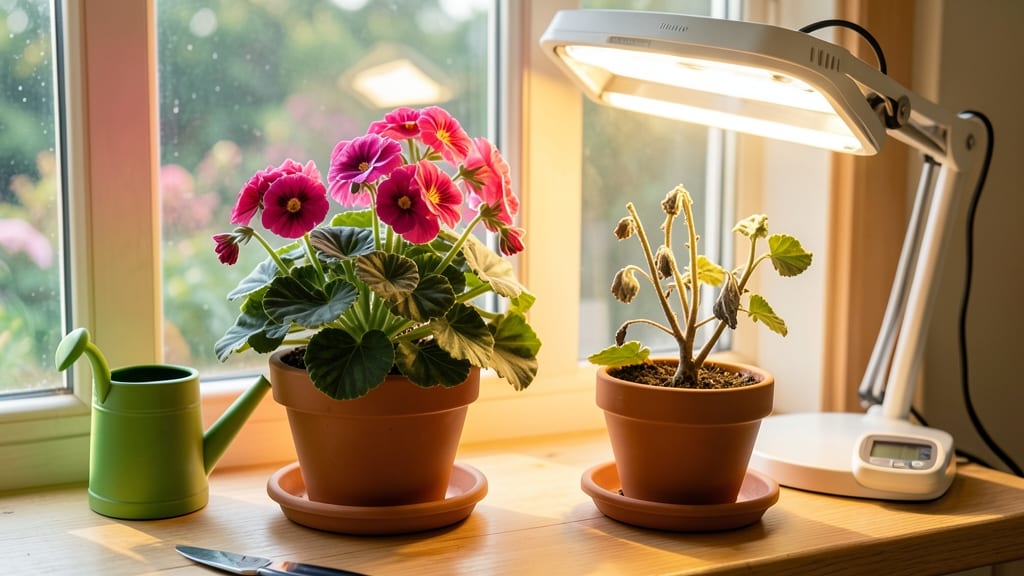
How to keep geraniums over winter indoors—I’ve saved every stem using this exact method for five seasons now. The key isn’t complicated: it’s about slowing growth, preventing rot, and giving them just enough light to stay alive until spring. No fancy equipment, just smart adjustments to what they already need.
Start by pruning back one-third of the plant—this reduces stress and focuses energy on survival. Move them to a bright spot (east or south-facing window) where they’ll get 6-8 hours of indirect light daily.
Water sparingly—only when the top inch of soil feels dry—and avoid cold drafts. Overwatering is the #1 killer, so I check soil moisture with my finger instead of relying on a schedule.
By spring, you’ll see new growth within 2-3 weeks as soon as you resume regular care. The trick is patience: geraniums stored in cool (50-60°F) conditions with minimal water will bounce back stronger than store-bought plants. Just avoid the temptation to fertilize—now’s the time for rest, not growth.
This method works for zonal, ivy, and scented geraniums alike, whether you have a sunny kitchen or a bright basement. The only real mistake? Waiting until frost hits to act. Start prepping 2-3 weeks before your first frost date for the best results. Ready to save your plants?
📚 In This Guide
- What you need
- Instructions
- Tips and common mistakes
- Wrapping up and next steps
What you need
- ● Healthy geranium plants: Choose only non-woody stems (cut back any leggy or weak growth). Aim for 3-6 mature plants per container if repotting.
- ● Well-draining potting mix: 1-2 gallons of a lightweight, fast-draining mix (e.g., 60% peat moss, 30% perlite, 10% vermiculite). Avoid garden soil—it compacts and causes rot! 🚫💧
- ● Containers with drainage holes: 1-2 containers (6-12 inches deep) per plant. Terracotta or plastic pots work best—just ensure they’re clean and sanitized.
- ● Pruning shears or sharp scissors: Sterilized tools to trim stems at a 45-degree angle (avoid tearing).
- ○ Rooting hormone (optional but helpful): A small tube or powder to encourage root growth on cuttings.
- ● Spray bottle with water: For light misting during dormancy (avoid soaking).
- ● Bright, indirect light source: A south- or west-facing window or a grow light (12-14 hours/day).
- ○ Thermometer (optional): To monitor indoor temps—ideal range is 50–60°F (10–15°C).
- ● Humidity tray: A shallow tray with pebbles and water to increase moisture levels near plants.
- ● Fertilizer (low-nitrogen): A balanced 10-10-10 or half-strength dose in early spring to wake up roots.
- ● Insecticidal soap or neem oil: For preventative pest control (check plants before storing!).
- ● Labeling tags: To track plant varieties and care notes.
Step-by-Step instructions for overwintering geraniums indoors
Here's how I've saved every geranium stem through winter—no root rot, no leggy regrowth, just sturdy plants ready to bloom again.
Prune Back to Healthy Wood
Use clean, sharp scissors to trim stems back to just above a leaf node where you see green growth—never brown or mushy stems. I cut back about ⅓ of the plant's height, but if your geraniums look leggy or overgrown, go bolder. The goal is to remove all weak, spindly growth while keeping the structure intact. Healthy wood looks firm and green, not brittle or hollow.
Remove any yellow or diseased leaves completely. Sterilize your scissors between cuts with rubbing alcohol to prevent spreading any hidden pathogens. This isn't about making your plant look small—it's about forcing it to redirect energy into root health and compact growth for spring.
Repot in Fresh, Well-Draining Soil
Choose a pot 1-2 inches larger in diameter than the current one—geraniums resent being cramped but hate soggy roots even more. Fill it with a mix of 50% sterile potting soil and 50% perlite or coarse sand for drainage. I like to add a handful of slow-release fertilizer (like 14-14-14) to the soil mix to give roots a nutrient boost during dormancy.
Gently remove the geranium from its current pot, shaking off old soil to inspect roots. Snip off any black, mushy roots with sterilized scissors—these are dead and will rot in winter. Place the plant in the new pot and fill around the roots with your mix, pressing lightly to eliminate air pockets. The soil should feel evenly moist but not soggy when squeezed.
☀️ Step 3: Reduce Light and Water to Trigger Dormancy
Move your geraniums to a cool, bright location—think 50-60°F with 4-6 hours of indirect light daily. A north-facing window or a well-lit basement shelf works perfectly. Too much light now causes leggy regrowth, and too little weakens the plant. You'll see leaves start to yellow and drop naturally—this is normal and signals dormancy.
Water only when the top inch of soil feels dry to the touch, and then just enough to moisten—not soak. I use a spray bottle for this step to avoid overwatering. Geraniums in dormancy need minimal moisture—overwatering is the #1 killer of overwintered plants. Aim for watering every 2-3 weeks unless your home is extremely dry.
⏰ Step 4: Monitor and Adjust for Spring Readiness
Check your geraniums weekly for signs of new growth—tiny green shoots or buds mean it's waking up. If you see this by late winter, increase light to 6+ hours daily and resume watering when the soil dries ½ inch deep. I also move mine to a slightly warmer spot (60-65°F) to encourage regrowth without shocking the plant.
If no growth appears by mid-February, don’t panic—some geraniums need until March. Avoid fertilizing until you see new leaves, as dormant roots can’t process nutrients. When shoots reach 1-2 inches tall, you can resume normal care: bright light, regular watering, and a balanced fertilizer every 4-6 weeks.
Harden Off Before Outdoor Transition
About 2 weeks before your last frost date, start hardening off your geraniums. Move them outdoors to a shaded, sheltered spot for 1-2 hours daily, gradually increasing time and sun exposure. I watch for wilting or leaf drop—if this happens, they’re not ready yet. Geraniums hate sudden temperature swings, so bring them back indoors if nighttime temps drop below 50°F.
Once they tolerate full sun and 6+ hours outdoors without stress, they’re ready for planting. I wait until soil is warm (at least 55°F) before transplanting to avoid root shock. Pinch back any leggy new growth by ⅓ to encourage bushier blooms. With this method, my geraniums come back stronger every year—no sad, leggy stems or lost plants.
Tips & tricks for perfect indoor geranium overwintering
Here's what nobody tells you about keeping your geraniums thriving through winter—these are the details that separate a sad, leggy plant from one that comes back stronger than ever.
Pruning Precision: In Step 1, when you're cutting back those stems, focus on the leaf nodes where you see fresh green growth—this is where new shoots will emerge in spring. I've learned that cutting too close to the base risks damaging the dormant buds hidden there. Use a ruler to ensure you're cutting just above the node, about ¼ inch up the stem. This small detail makes all the difference in compact, bushy regrowth.
Soil Mix Strategy: The 50/50 soil mix in Step 2 isn't just about drainage—it's about creating the right microbial environment for roots to recover. I've found that adding a handful of worm castings to that mix gives roots an extra boost of beneficial bacteria. These microscopic helpers break down nutrients more efficiently, helping your geraniums wake up stronger in spring. Just mix it right into the potting soil before repotting.
Light Management: That 4-6 hours of indirect light in Step 3 is your sweet spot for dormancy. Too much light triggers regrowth too early, while too little weakens the plant. I place mine under a grow light on a timer for exactly 5 hours daily during winter months—this consistency prevents the leggy growth that's so common with inconsistent light. A simple LED bulb on a plug-in timer solves this perfectly.
Watering Discipline: The "water every 2-3 weeks" guideline in Step 3 is perfect for most homes, but humidity levels vary wildly. I test soil moisture by sticking my finger an inch deep—if it feels completely dry, that's when I water lightly with a spray bottle. Overwatering is the silent killer of overwintered geraniums, so I always err on the side of too little moisture rather than too much. This simple check prevents root rot every time.
Pro Tips for Keep Geraniums Over Winter Indoors
- Here's what nobody tells you about keeping your geraniums thriving through winter—these are the details that separate...
- Pruning Precision: In Step 1, when you're cutting back those stems, focus on the leaf nodes where you see fresh green...
- Soil Mix Strategy: The 50/50 soil mix in Step 2 isn't just about drainage—it's about creating the right microbial env...
Frequently asked questions
Got questions about overwintering your geraniums? You’re not alone! Here are answers to the most common concerns—so you can keep your plants thriving until spring.
Can I overwinter geraniums in pots without cutting them back?
Technically, yes—but it’s not ideal. Pruning back stems by ⅔ helps reduce stress, promotes new growth, and prevents pests. If you skip this step, your geraniums may look leggy and weak by spring. Think of it like giving them a fresh start!
When is the best time to bring geraniums indoors for winter?
Wait until the first hard frost (usually late fall, around October–November in most climates). Bringing them in too early can encourage early dormancy or even rot. A quick trick? Watch your local weather—if temps dip below 40°F (4°C), it’s time to move them inside.
What if my geraniums get leggy or lose leaves indoors?
Leggy stems and sparse foliage are common indoors due to low light. Boost growth by:
- Moving them near a south-facing window (6+ hours of light/day).
- Adding a grow light (12–14 hours/day) if natural light is scarce.
- Pinching back tips to encourage bushier growth in early spring.
Do geraniums need cold treatment to bloom well next year?
Yes! Geraniums benefit from a cool, dormant period (50–55°F / 10–13°C) to reset their growth cycle. Place them in a garage, basement, or unheated sunroom (but avoid freezing temps). This mimics their natural winter dormancy and ensures vibrant blooms in spring.
What’s an alternative if I don’t have space to overwinter geraniums?
If indoor space is tight, try these options:
- Root cuttings: Snip healthy stems (3–4 inches), let them dry, then plant in soil to regrow next year.
- Share with friends: Gift potted geraniums—many people love free plants!
- Start fresh: Buy new geraniums in spring (though heirloom varieties may vary in quality).
Wrapping up and next steps
With just a little patience and care, your geraniums can thrive through winter and burst back to life come spring! 🌱 By following these steps—like trimming, repotting, and providing the right light—you’re not just saving stems, you’re setting the stage for a bloom-tastic comeback.
Ready to give your plants the cozy winter they deserve?
Your next step? Grab those shears and a sunny windowsill—your geraniums are waiting for their winter makeover! 🌿