
Pests
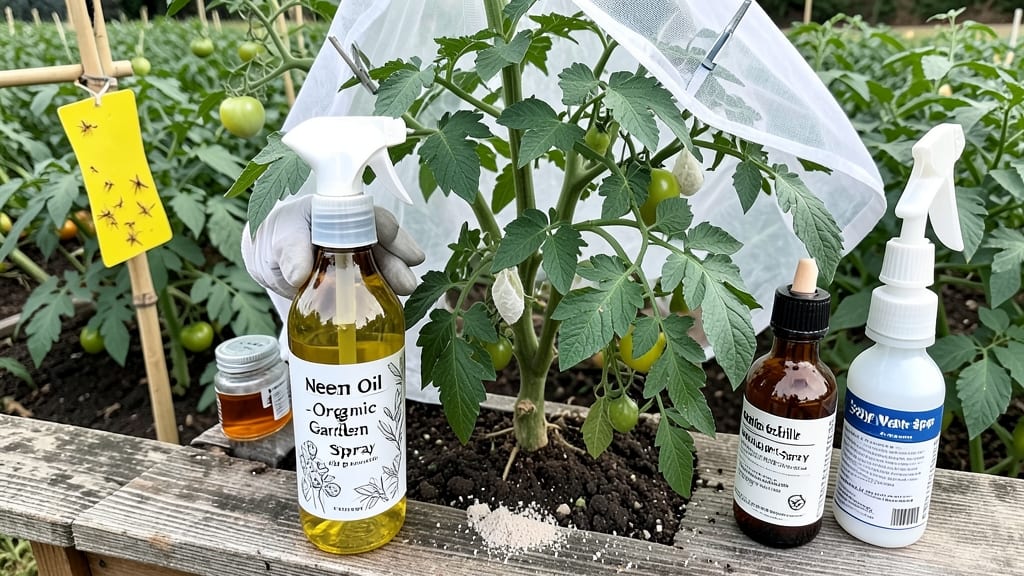
How to keep hornworms away from your tomato plants before they turn your leaves into skeletons overnight? 🌱 I’ve lost entire harvests to these striped bandits, but I’ve also learned the foolproof way to starve them out before they strike—diatomaceous earth works like a fine, invisible fence they can’t cross. The secret lies in its microscopic sharpness—hornworms can’t digest it, so they avoid it like a desert. A light dusting around your plants creates a barrier they’ll bypass, while beneficial insects like bees and ladybugs stay unharmed. You’ll need about 1 pound per 100 square feet, reapplied after rain. What you’ll gain is peace of mind and undamaged foliage—no more picking off slimy green monsters by hand. The plants grow stronger, fruit heavier, and you skip the chemical sprays that harm pollinators. Works for tomatoes, peppers, eggplants, and even basil. Here’s the exact method to apply it without wrecking your garden’s balance.
Why Your Garden Becomes Hornworm Central
Hornworms—those striped, voracious caterpillars—don’t just appear out of nowhere. They’re drawn to your garden for very specific reasons, and understanding them is the first step to outsmarting them.
Let’s break down the science behind why your prized tomatoes, peppers, and basil suddenly look like a buffet to these hungry invaders.
Hornworms are specialized feeders, meaning they have a very limited menu—mostly nightshades like tomatoes, peppers, eggplants, and tobacco plants. Their host plants produce chemicals that signal to hornworms: “Eat me!” Here’s why:
- Volatile Organic Compounds (VOCs): When you crush or damage nightshade leaves, they release green leaf volatiles (like hexanal and (Z)-3-hexenal). These act like chemical scent trails that hornworms can detect from up to 10 feet away.
- Nutrient-Rich Leaves: Nightshades are packed with soluble sugars, nitrogen, and water, making them a high-calorie, easy-to-digest meal for hornworms. A single caterpillar can devour entire leaves overnight.
- Lack of Natural Defenses: Unlike some plants (e.g., mint or marigolds), nightshades don’t produce bitter alkaloids or strong odors that deter pests. Their evolution prioritized fruit production over pest resistance.
Actionable Insight: If you’re growing tomatoes or peppers, hornworms will find them—it’s not a matter of “if” but “when.” The key is to disrupt their access before they turn your garden into Swiss cheese.
Hornworms thrive in specific environmental conditions, and if your garden matches their ideal habitat, they’ll move in. Here’s what they love:
| Factor | Hornworm’s Sweet Spot | Why It Attracts Them |
|---|---|---|
| Temperature | 70–90°F (21–32°C) | Hornworms are cold-blooded—they slow down below 60°F (15°C) and die below 50°F (10°C). Warm soil and air speed up their growth and reproduction. |
| Humidity | 60–80%+ | High humidity keeps their skin moist, preventing desiccation. Dry conditions make them vulnerable to predators (like birds or wasps). |
| Rainfall | Moderate to frequent | Rain washes away natural predators (e.g., parasitic wasps) and provides standing water for adult moths to lay eggs. |
| Sunlight | Partial shade to full sun | They prefer protected spots (like under leaves) during the day but need warmth to grow. Dappled sunlight is perfect. |
Actionable Insight: If you live in a hot, humid region (e.g., Southeast U.S., tropical zones), hornworms will have a population explosion without intervention. Diatomaceous earth (DE) works best in dry conditions—so pair it with proper garden drainage to weaken their grip.
In nature, hornworms are not the top of the food chain. They’re kept in check by a network of predators, but if these predators vanish, hornworms take over. Here’s who usually eats them—and why they might be missing from your garden:
- Parasitic Wasps (Braconid Wasps):
- Lay eggs inside hornworms, which then hatch and eat the caterpillar from within.
- Why they disappear: Pesticides (even “organic” ones like neem oil) can kill them. Monoculture gardens (e.g., rows of only tomatoes) reduce habitat diversity, making it harder for wasps to find alternate prey.
- Birds (Robins, Chickadees, Sparrows):
- Eat hornworms on sight—they’re high-protein snacks.
- Why they avoid your garden: Lack of perches (like fence wires or low branches) or overly manicured spaces without shrubs for cover.
- Lacewings and Ladybugs:
- Adults and larvae hunt hornworms as a primary food source.
- Why they’re scarce: Competition for food (e.g., if you’ve already sprayed for aphids, they might be gone).
- Spiders and Praying Mantises:
- Ambush hornworms at night when they’re less active.
- Why they’re missing: Loss of ground cover (e.g., mulch or leaf litter) reduces their hunting grounds.
Actionable Insight: A balanced ecosystem is your best defense. Plant companion plants (like dill, fennel, or basil) to attract predators, and avoid broad-spectrum sprays that wipe out the entire food web.
Hornworms don’t attack randomly—they follow a predictable life cycle tied to your planting schedule. Here’s how to anticipate their strikes:
- Spring Planting = Early Hornworm Rush:
- If you plant tomatoes or peppers before the last frost, hornworm eggs (laid by adult moths overwintering in soil) will hatch just as your seedlings sprout.
- Peak damage: 4–6 weeks after transplanting.
- Summer Succession Planting = Nonstop Buffet:
- Planting new crops every 2–3 weeks gives hornworms a constant food source.
- Peak damage: July–August, when temperatures and humidity are ideal.
- Fall Gardens = Late-Season Surprise:
- If you leave nightshades in the ground past September, second-generation hornworms (from moths that emerged in summer) will target them.
- Peak damage: September–October, as they prepare for
Natural Ways to Stop Hornworms
Now that you understand why hornworms invade your garden, it’s time to take action! These hungry caterpillars can devour your prized plants in no time, but with the right strategies, you can keep them at bay.
Below are practical, chemical-free solutions tailored to common causes—plus prevention tips to protect your garden long-term.
Hornworms thrive where plants are stressed or overcrowded, making them easy targets. Strengthen your garden’s defenses with these steps:
- 🔥 Prune & Space Plants Properly
- Thin out overgrown foliage to improve airflow and reduce hiding spots.
- Space plants 12–18 inches apart (depending on the variety) to discourage pests.
- 🍳 Boost Plant Health with Organic Fertilizers
- Use compost tea, fish emulsion, or worm castings to give plants a nutrient boost.
- Avoid over-fertilizing—hornworms love lush, soft leaves, so balanced feeding is key.
- 👨🍳 Introduce Beneficial Predators
- **Praying mantises, parasitic wasps (like Cotesia congregata), and lacewings naturally hunt hornworms.
- Buy or attract them with dill, fennel, or marigolds (their favorite nectar sources).
Hornworms are clumsy but persistent—block their access with simple, effective methods:
- 🥘 Use Row Covers or Mesh Netting
- Lightweight
- Secure edges with clips or soil weights to avoid gaps.
- Sprinkle
- Place yellow water traps near plants—hornworms are attracted to the color and drown.
- Sticky barriers (like Tanglefoot) on stakes can trap crawling larvae.
Hornworms start small, so catch them before they grow. Here’s how:
- 🔍 Inspect Plants Daily (Especially Undersides)
- Check tomato, pepper, and basil leaves for green or yellow eggs (laid in clusters).
- Handpick eggs with a damp paper towel and drop them in soapy water.
- ✨ Use Neem Oil Spray (Organic & Effective)
- Mix 1 tbsp neem oil + 1 tsp mild soap + 1 quart water and spray early morning or evening (avoid direct sun).
- Reapply every 5–7 days—it disrupts their growth hormones.
- 🌱 Rotate Crops & Plant Trap Crops
- Avoid planting tomatoes, peppers, or eggplants in the same spot yearly—hornworms remember!
- Sacrifice a few basil or dill plants as "trap crops" to lure hornworms away from your main garden.
Stop hornworms before they start with these easy maintenance habits:
- 📊 Keep Your Garden Tidy
- Remove dead leaves, weeds, and debris—these hide eggs and larvae.
- Mulch with straw or wood chips to deter pests naturally.
- 💪 Encourage Natural Ecosystems
- Plant basil, marigolds, and nasturtiums—they repel hornworms and attract predators.
- Avoid broad-spectrum pesticides—they kill beneficial insects too!
- ⏰ Monitor & Act Fast
- Check plants every 2–3 days during peak hornworm season (late spring to summer).
- Remove any larvae immediately—drop them in soapy water or freeze them (don’t compost them!).
By combining physical barriers, organic sprays, and garden hygiene, you’ll create an environment where hornworms won’t want to stick around. Stay proactive, and your plants will stay safe—and delicious! 🍅🌱
Frequently asked questions
Can I use diatomaceous earth on edible plants like tomatoes and peppers?
Yes! Food-grade diatomaceous earth is completely safe for edible plants when applied correctly. Just avoid inhaling the dust and reapply after rain. It creates a barrier that starves hornworms without harming your plants or beneficial insects like bees and ladybugs.
How often should I check my plants for hornworm eggs?
Check your tomato, pepper, and basil plants every 2-3 days during peak season (late spring to summer). Look under leaves for clusters of green or yellow eggs—they hatch quickly, so early detection is key to preventing damage.
Will neem oil kill hornworms or just deter them?
Neem oil disrupts hornworm growth hormones and can kill them, but it works best as a preventive measure. For existing infestations, combine it with handpicking or diatomaceous earth. Apply in the evening to avoid harming bees during daytime foraging.
Are there any companion plants that actually repel hornworms?
Yes! Plant basil, marigolds, nasturtiums, or dill near your vulnerable crops. These plants mask the scent of nightshades that attract hornworms while attracting beneficial predators like parasitic wasps and ladybugs that hunt them.
What's the best time of day to apply diatomaceous earth?
Apply DE on a dry, sunny morning when humidity is low. This gives it time to settle on leaves before dew or rain washes it away. Avoid applying when bees are most active (midday) to protect pollinators.