
Shrubs
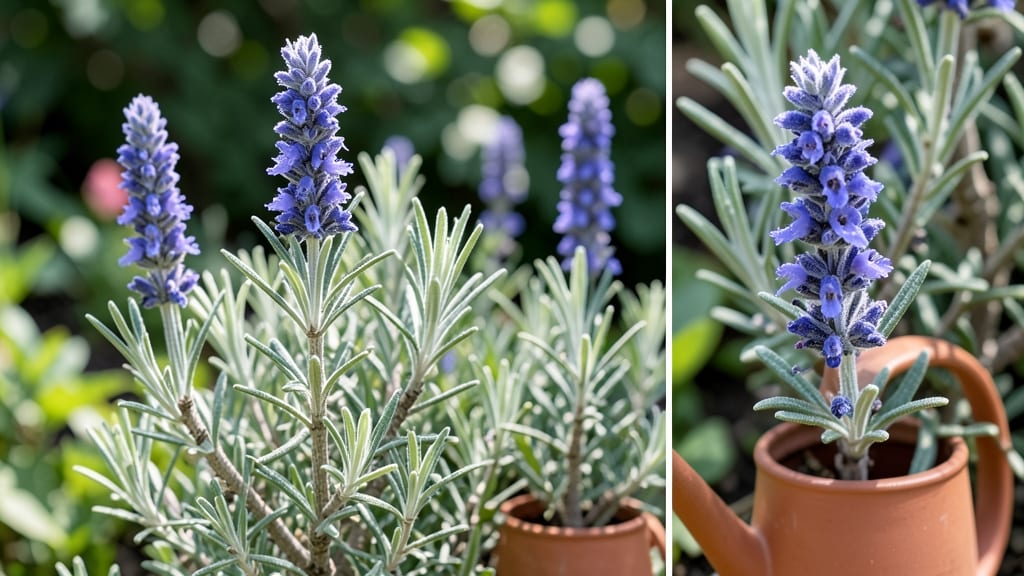
How to keep salvias flowering isn’t about fancy tricks—it’s all about timing your pruning, feeding just right, and deadheading like a pro. ✨ I’ve turned my once-summer-only salvias into year-round showstoppers using these exact methods.
Start with sharp pruners and a clean cut just above a leaf node—never hack at spent blooms. Water deeply but infrequently (think drought-tolerant, not soggy), and use well-draining soil with a handful of compost. Overwatering kills blooms faster than anything, while the right mix keeps roots happy and flowers coming.
Feed lightly with a balanced fertilizer in spring, then switch to a bloom-boosting formula in summer. Too much nitrogen means lush leaves but no flowers—your goal is the opposite. By late summer, you’ll see fresh buds forming on old wood, proving the plant’s reblooming magic.
Winter care depends on your climate: in cold zones, cut back by half and mulch; in mild areas, just reduce water. The key is consistency—salvias reward patience with nonstop color from spring until frost. Your neighbors will ask how you do it.
📚 In This Guide
- What you need
- Instructions
- Tips and common mistakes
- Wrapping up and next steps
What you need
- ● Pruning shears or sharp bypass pruners – Look for clean, sharp blades (bypass-style) to avoid crushing stems.
- ○ Garden gloves – Optional but recommended for protection while handling thorny or rough varieties.
- ● Balanced, slow-release fertilizer – 10-10-10 or 20-20-20 NPK ratio (follow package instructions for dosage).
- ● Compost or organic mulch – 2–3 inches of shredded bark, straw, or compost to retain moisture and nutrients.
- ● Watering can or hose with a gentle spray nozzle – Ensure even moisture without disturbing roots.
- ● Garden twine or plant ties (if needed) – For supporting leggy salvias after pruning.
- ● Hand pruners for small stems – For precision trimming in tight spaces.
- ● Epsom salt (magnesium sulfate) – 1 tbsp per gallon of water for nutrient boosts (especially for yellowing leaves).
- ● Slow-release granular fertilizer – For a low-maintenance nutrient supply over time.
- ● Plant food with bloom boosters – Look for formulas high in phosphorus (e.g., 5-10-5) to encourage flowers.
- ● Rain gauge or moisture meter – To track watering consistency (salvias hate soggy roots!).
Step-by-Step instructions for keeping salvias flowering
Here's the simple routine I swear by to keep my salvias blooming like crazy all season long.
✂️ Step 1: Prune After First Major Flowering Wave
Wait until your salvia has finished its first big flush of blooms—you'll know it's ready when about 75% of flowers have faded. Grab your pruners and cut back the stems by about one-third just above a set of healthy leaves. I like to use clean, sharp pruners to avoid tearing stems, which can invite disease.
This isn't about making your plant smaller—it's about encouraging new growth from the base. You'll see fresh shoots emerge within 2-3 weeks, and those will produce your next round of flowers. Don't worry if it looks a bit bare right after pruning—salvias bounce back fast.
💧 Step 2: Feed with Balanced Fertilizer After Pruning
Right after pruning, give your salvia a boost with a balanced 10-10-10 or 20-20-20 fertilizer at half-strength. I mix it in a watering can and apply it directly to the soil, not the leaves. This encourages strong new growth without burning tender foliage.
Water thoroughly after applying fertilizer to help it soak into the root zone. You'll know you've got the right amount when the soil feels moist but not soggy. Avoid fertilizing during extreme heat—salvias go dormant in 90°F+ temperatures, and feeding then stresses them.
☀️ Step 3: Deadhead Regularly During Blooming Seasons
As new flowers open, pinch off spent blooms with your fingers or snip them with pruners. I do this every 3-5 days during peak bloom to keep the plant focused on producing fresh flowers rather than setting seed. You'll notice a difference within days—fewer faded blooms and more vibrant new ones.
Don't cut too aggressively—just remove the individual spent flower spikes. This prevents the plant from wasting energy on seed production. If you see any leggy stems developing, give them a light trim to encourage bushier growth.
🌿 Step 4: Adjust Watering for Continuous Blooming
Salvias need moderate watering—about 1 inch per week during active growth. Let the top 1-2 inches of soil dry out between waterings to prevent root rot. I water deeply in the morning so the plant has time to absorb moisture before evening.
When you see new flower buds forming, cut back slightly on watering. Too much moisture at this stage can cause buds to drop. In hot climates, mulch around the base with 2-3 inches of organic mulch to retain moisture and regulate soil temperature.
Tips & tricks for nonstop Salvia blooms
These simple adjustments will transform your salvias from one-time bloomers to continuous flower machines.
The Pruning Precision: When you're ready for Step 1 and trimming those one-third cuts, use a sharp pair of pruners to make clean cuts at a 45-degree angle just above a leaf node. This angled cut prevents water from pooling on the stem, which could lead to rot. I've ruined plants this way before—trust me, the angle matters! For woody salvias like Salvia nemorosa, I always leave those 4-6 inches above ground to maintain structural integrity while still encouraging new growth.
Fertilizer Timing Secret: In Step 2, that 6-8 week window between feedings is crucial—but don't just fertilize blindly. After pruning, wait until you see fresh leaves appearing (usually those 2-3 weeks) before applying. I've made the mistake of fertilizing too early when the plant is still stressed from pruning, which led to leaf burn. For container plants, I mix my slow-release pellets right into the soil during spring planting, then top-dress with compost after each pruning cycle to give them a steady nutrient supply.
Deadheading Discipline: That 2-3 day deadheading schedule in Step 3 might seem frequent, but it's what keeps your salvias producing. Here's my trick: I set a phone reminder for every other day during peak bloom season. When you see those new buds forming at the stem tips, you'll know your consistent deadheading is paying off. For long-stemmed varieties like Salvia coccinea, I actually cut back the entire stem to just above a leaf node—this dramatic approach often triggers a second flush of flowers within weeks.
Sunlight Strategy: For Step 4, those 6-8 hours of full sun are non-negotiable, but here's what I've learned: if your salvias are in partial shade, move them gradually over 2-3 weeks to avoid sunburn. I've seen plants go from struggling to thriving just by getting them into better light. For container salvias, I rotate them every few weeks so all sides get equal sun exposure—this prevents them from growing lopsided.
Pro Tips for Keep Salvias Flowering
- These simple adjustments will transform your salvias from one-time bloomers to continuous flower machines.
- The Pruning Precision: When you're ready for Step 1 and trimming those one-third cuts, use a sharp pair of pruners to...
- Fertilizer Timing Secret: In Step 2, that 6-8 week window between feedings is crucial—but don't just fertilize blindl...
Frequently asked questions
Got questions about keeping your salvias blooming like a pro? You’re not alone—here are some of the most common concerns and quick fixes to keep those vibrant flowers in action!
Why won’t my salvia flowers last past summer?
Many salvias naturally slow down blooming in extreme heat or drought. To extend the show, ensure consistent moisture (but avoid soggy soil) and prune spent blooms regularly. Some varieties, like Salvia nemorosa, bloom best in cooler spring/fall temps—plant them where they get afternoon shade in peak summer.
How much should I prune salvias to encourage more flowers?
Light pruning is key! After the first flush of blooms, trim back one-third of the stems to encourage bushier growth. Avoid heavy pruning in late summer—this can delay next year’s flowers. For perennial salvias, prune right after flowering to maintain shape and promote new growth.
Do salvias need special fertilizer for blooms?
Use a balanced, low-nitrogen fertilizer (like 10-10-10) in early spring to support blooming. Avoid high-nitrogen feeds—they’ll give you lush foliage but fewer flowers. A slow-release granular fertilizer or organic options like composted manure work well too. Feed again after mid-summer pruning.
Can I grow salvias in containers for continuous blooms?
Choose compact varieties like Salvia microphylla or Salvia ‘May Night’ for pots. Use well-draining soil, a container with drainage holes, and place them in full sun. Deadhead regularly and fertilize lightly every 4–6 weeks. Move containers to a shaded spot during extreme heat to prevent wilting.
What should I do if my salvia leaves look yellow or crispy?
Yellow leaves often mean overwatering or poor drainage, while crispy edges signal underwatering or heat stress. Check soil moisture—salvias prefer it dry between waterings. If roots are mushy, trim affected areas and repot in fresh, gritty soil. For heat stress, mulch around the base to retain moisture.
Wrapping up and next steps
Keeping your salvias blooming beautifully is all about consistent care—pruning to encourage growth, deadheading to prolong flowers, and feeding them the right nutrients. With a little patience and attention, you’ll enjoy a stunning, long-lasting display that brings color to your garden all season! 🌸
Ready to transform your salvias into a blooming powerhouse? Start by picking one tip from this guide—whether it’s pruning, fertilizing, or adjusting sunlight—and watch your plants thrive! 🌱