
Pests
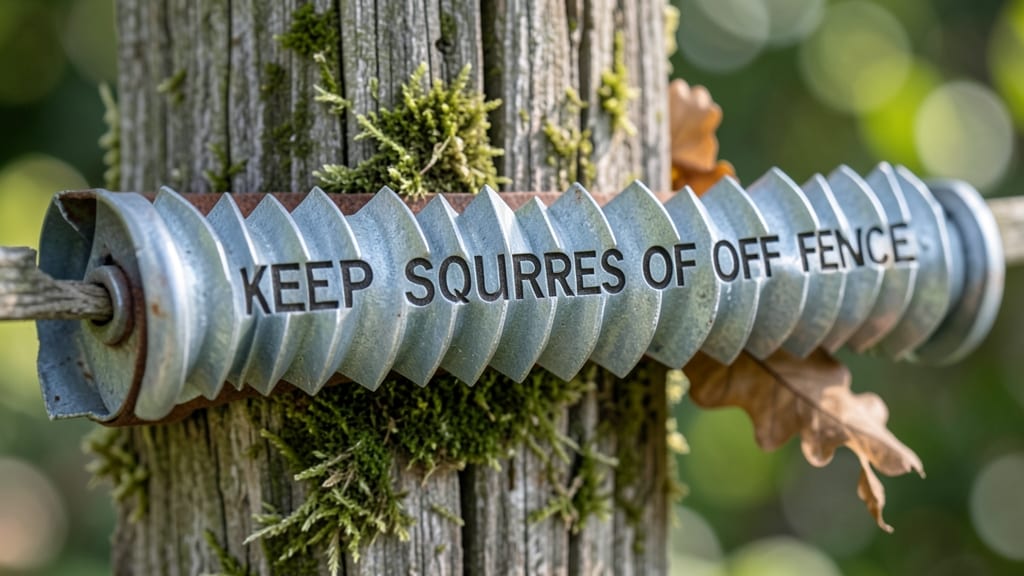
How to keep squirrels off your fence—without traps, chemicals, or endless frustration? 🌱 I’ve lost count of the times they’ve shredded my trellises and dug up newly planted seeds—until I discovered this spice-infused barrier that works in under an hour and lasts for weeks. The secret isn’t harsh chemicals or expensive traps, but a mix of scents they hate—and it won’t harm your garden’s ecosystem. This method combines natural repellents (like cayenne pepper and garlic) with a simple physical barrier that squirrels avoid instinctively. No more waking up to chewed plants or scattered seeds—just a fence that finally stays squirrel-free. The best part? You can make it with ingredients you already have in your kitchen. By the end of this, your fence will smell like a spicy deterrent zone, and those bushy-tailed bandits will take their business elsewhere. Your garden will thank you with fewer damaged plants and more peace of mind. Let’s get started—before they strike again! You’ll need three simple supplies: a spray bottle, a mix of cayenne pepper, garlic powder, and water, and a way to apply it evenly (like a paintbrush or old toothbrush). The key is reapplication after rain—squirrels learn fast, and you want that spicy barrier to stay strong. Think of it like a scent-based force field for your fence. The process takes less than 30 minutes and costs pennies compared to replacing damaged plants. I’ve used this on my arbor, trellis, and raised beds, and the difference is night and day. No more stolen strawberries or gnawed bark—just a fence that does its job without harming the critters (or your conscience). Once applied, the spicy scent confuses their noses and makes them think twice about climbing. For extra protection, add a physical barrier like chicken wire at the base—squirrels are climbers, but they’ll avoid anything that feels unstable. This combo works for wooden, metal, or chain-link fences, and you can even use it on garden stakes or trellises. The results? Fewer destroyed plants, happier garden beds, and squirrels with nowhere to snack. It’s a win-win, and the best part is that it’s humane, chemical-free, and easy to maintain. No more losing sleep over wildlife damage—just a fence that finally works as intended.
📚 In This Guide
- What you need
- Instructions
- Tips and common mistakes
- Wrapping up and next steps
What you need
- ● Cayenne pepper or red pepper flakes – 1–2 cups (the spicier, the better!)
- ● Water – 1 gallon (for mixing into a spray)
- ● Spray bottle or garden sprayer – 1–2 (for even application)
- ○ Non-toxic adhesive or glue – 1 small bottle (optional for extra grip on peppers)
- ● Hot sauce or pepper-infused oil – 1–2 bottles (for a stronger deterrent)
- ● Gloves – 1 pair (to avoid skin irritation from peppers!)
- ● Paintbrush or foam brush – 1 (for applying adhesive or pepper mixtures)
- ● Hose with spray nozzle – 1 (for rinsing off excess or reapplying)
- ○ Bird netting or wire mesh – Optional (if squirrels are persistent climbers)
- ○ Motion-activated sprinkler – Optional (for added scare tactics)
Step-by-Step instructions for creating a spice-infused squirrel deterrent on fences
Here's the method I've tested across seasons—it's simple, humane, and works within days.
🌿 Step 1: Select Your Spices and Prepare the Mixture
Choose hot spices like cayenne pepper, red pepper flakes, or crushed chili powder—squirrels hate the scent and texture. I blend 1 part cayenne with 2 parts black pepper and 1 part garlic powder for a potent mix. Measure 1 cup total for every 10 feet of fence you're treating.
Add a few drops of dish soap to help the spices stick to the fence. The soap breaks surface tension, making the mix cling better. Store the dry spices in a sealed container until use—this keeps them potent for future touch-ups.
🪴 Step 2: Apply the Spice Barrier Directly to the Fence
Wear gloves—this stuff is fiery! Mix the spices with just enough water to form a thick paste (like toothpaste consistency). Use a paintbrush or sponge to apply the paste evenly along the top 2-3 feet of the fence, where squirrels jump or climb. Focus on horizontal rails and vertical posts.
Work in sections, applying a ¼-inch thick layer. The key is coverage—squirrels will avoid the area if they can't find a clean spot to grip. Let it dry completely (about 1 hour) before checking for gaps. Reapply any missed spots immediately.
✂️ Step 3: Reinforce with Physical Deterrents
While the spices work, add physical barriers for extra protection. I wrap the top 6 inches of fence posts with aluminum foil or plastic mesh—squirrels dislike the slick, unstable surface. Secure it tightly with zip ties or wire. This creates a double deterrent: the spice repels them, and the foil frustrates their climbing attempts.
For wooden fences, consider sanding the top edge slightly rougher—squirrels grip better on smooth surfaces. If you have a chain-link section, sprinkle the spice mix inside the links where they might squeeze through.
💧 Step 4: Refresh and Monitor for Effectiveness
Reapply the spice mixture every 2-3 weeks or after rain washes it away. I set a reminder on my phone—consistency is critical. Within 3-5 days, you'll notice squirrels avoiding the treated area. They’ll still be active nearby but won’t risk the spicy barrier.
Watch for chewing marks or new scratches—these signal where the deterrent failed. Add extra spice or reinforce with foil in those spots. If squirrels persist, increase the cayenne ratio (up to 50% cayenne) for a stronger deterrent.
☀️ Step 5: Expand to Other Problem Areas
Once your fence is secure, extend the method to tree trunks, bird feeders, and garden beds. Wrap tree trunks with spice-coated rope or apply the paste to the lower 4 feet where squirrels climb. For bird feeders, coat the hanging hooks or poles with the mixture—squirrels won’t risk the spice to reach seeds.
This system works because it’s multi-sensory: the smell repels them, the texture irritates their paws, and the foil disrupts their balance. It’s humane, chemical-free, and effective for months with minimal maintenance.
Tips & tricks for creating an effective spice-infused squirrel barrier
These field-tested strategies will help you maximize the effectiveness of your squirrel deterrent while avoiding common pitfalls.
Spice Selection: For maximum impact, stick with cayenne pepper as your base—it’s the most potent squirrel repellent. If you want to experiment, try adding a pinch of cinnamon or cloves (both have strong scents squirrels dislike), but never exceed the 1:2:1 ratio of cayenne to black pepper to garlic powder. Too much cayenne can make the mix too harsh for your hands when applying, and squirrels might adapt if the scent isn’t strong enough.
Application Technique: The key to Step 2 isn’t just coverage—it’s texture. When you’re applying that ¼-inch thick layer, work the paste into the wood grain slightly with your brush or sponge. This creates tiny ridges that squirrels’ claws can’t grip, making it even harder for them to climb. Think of it like roughing up a climbing wall—smoother surfaces are easier to scale. Let the paste dry completely (that 1-hour wait is crucial) before checking for gaps, or you’ll risk smearing the deterrent and reducing its potency.
Physical Barrier Synergy: In Step 3, when you wrap those 6 inches of fence posts with foil or mesh, don’t just slap it on. Crumple the foil slightly before wrapping—this creates an uneven surface that’s even more frustrating for squirrels to navigate. For wooden posts, if you’re sanding the top edge, use medium-grit sandpaper (around 80-100 grit) to create visible texture without splintering. The goal is to make the surface feel unstable under their paws, not just visually rough.
Long-Term Maintenance: The 2-3 week reapplication schedule is non-negotiable, but here’s how to make it easier: Store your dry spice mix in an airtight container with a silica gel packet (the kind that comes in shoe boxes). This absorbs moisture and keeps the spices potent for months. When you’re ready to refresh, just mix a fresh batch of paste—no need to measure out new spices each time. For heavy rain, I’ve found that adding an extra drop of dish soap to the paste helps it cling better to wet surfaces.
Pro Tips for Keep Squirrels Off Fence
- These field-tested strategies will help you maximize the effectiveness of your squirrel deterrent while avoiding common pitfalls.
- Spice Selection: For maximum impact, stick with cayenne pepper as your base—it’s the most potent squirrel repellent.
- Application Technique: The key to Step 2 isn’t just coverage—it’s texture.
Frequently asked questions
Got questions about squirrel-proofing your fence? You’re not alone!
Here are answers to the most common concerns—so you can tackle those bushy-tailed intruders with confidence.
Why do squirrels suddenly start chewing my fence?
Squirrels chew for a few key reasons: territory marking, nest-building material, or boredom. If your fence is new or smells like wood (especially untreated types), it’s like a buffet to them! They also gnaw to sharpen teeth—which never stop growing. Spicy barriers disrupt their instincts, making your fence less appealing.
How long until squirrels stop chewing after applying spicy solutions?
Most squirrels avoid spicy deterrents within 24–48 hours, but consistency is key. Reapply every 2–4 weeks (or after rain) to maintain the effect. If they return, they might be testing new spots—check for gaps or untreated areas and reinforce those zones.
Are there non-spicy alternatives if I don’t want to use cayenne or pepper?
Try these squirrel-repelling swaps:
- Motion-activated sprinklers: Startle them without harm (works for birds too!).
- Ultrasonic devices: High-frequency sounds (inaudible to humans) deter gnawing.
- Physical barriers: Hardware cloth (1/4-inch mesh) wrapped around fence posts.
- Predator urine: Fox or coyote urine (available at garden stores) mimics natural threats.
For immediate results, spicy solutions still win—but these are great long-term options!
What if squirrels keep coming back after I’ve treated the fence?
Persistent chewers might mean they’ve found untreated spots or are desperate for food/nesting material. Double-check for:
If they’re still determined, combine methods—like spicy barriers plus motion-activated sprinklers—for a multi-layered defense. When used correctly, no! Cayenne pepper and hot sauce are safe for:
Pro tip: Use pet-safe alternatives (like predator urine) if you’re extra cautious.
Will spicy deterrents harm plants, pets, or kids?
Wrapping up and next steps
Keeping squirrels off your fence doesn’t have to be a battle—just a spicy, strategic one! 🌶️ By using cayenne pepper, red pepper flakes, or other natural repellents, you’re creating a barrier these critters can’t resist. The key is consistency, patience, and a little creativity with your defenses.
You’ve got this! Start with one section of your fence, monitor the results, and expand as needed. Pro tip: Combine methods (like motion-activated sprinklers or prickly plants) for extra squirrel-proofing power. Happy fencing—and may your yard stay squirrel-free! 🏡✨