
How To
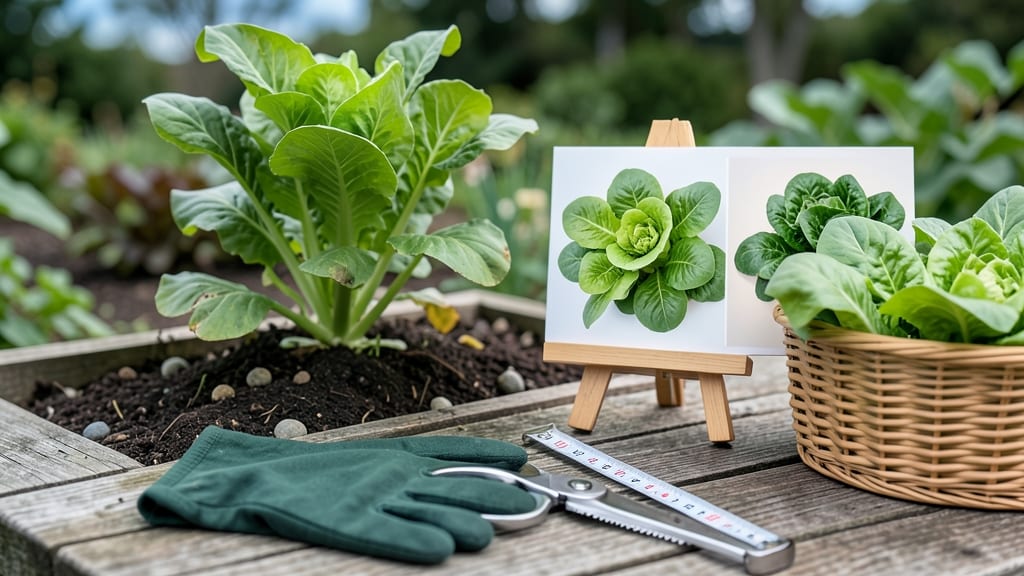
How to know when to pick your 🥬 lettuce can turn a wilted mess into a crisp, flavorful harvest—so how do you spot the perfect moment?
If you’ve ever pulled lettuce only to find it bitter or tough, you’re not alone. The key lies in watching for subtle cues like leaf size, color, and texture that signal peak readiness. Whether you’re growing loose-leaf varieties or classic head lettuce, timing makes all the difference.
I’ll show you exactly what to look for—from vibrant color and firmness to avoiding the dreaded bolt—so you can enjoy fresh greens all season long. Let’s break down the simple tests that’ll keep your salads crisp and delicious.
Ready to master the art of harvesting? These seasonal tips will ensure your lettuce stays at its best, from spring planting to fall harvests in Zone 6a.
5 Visual and texture signs your lettuce is ready for harvest
Picking lettuce at the right moment transforms your garden into a crisp, flavorful salad bar. The key lies in understanding leaf maturity, texture, and color cues that signal peak readiness. Unlike many vegetables, lettuce doesn’t ripen after harvest—so timing is everything.
Whether you grow loose-leaf varieties or head lettuce, these visual and tactile clues will help you avoid bitter, tough, or bolted greens.
Start by examining the outer leaves of your lettuce plants. These are the first indicators of maturity. For loose-leaf lettuce, focus on individual leaves, while head lettuce varieties (like romaine or iceberg) require checking the entire compact structure.
The ideal harvest window is when leaves are fully expanded but haven’t yet started to flower—a process called bolting that turns lettuce bitter and woody.
Here’s how to spot the perfect moment using simple, no-tools-required tests:
- 📏 Leaf Size: Outer leaves reach 4-6 inches in length for most varieties. Use your hand as a guide—palm-sized leaves are typically ready.
- 🥬 Texture: Leaves should feel crisp and firm when gently squeezed. Soft or floppy leaves mean they’re past their prime.
- 🎨 Color: Vibrant, deep green (or variety-specific colors like red or purple) indicates maturity. Pale or yellowing leaves are a sign of stress or overgrowth.
- 🌱 Growth Stage: Check the base of the plant for a small, tight heart leaf (for head lettuce) or fully unfurled leaves (for loose-leaf).
- ⏳ Time from Seed: Most lettuce varieties take 30-60 days to mature, depending on the type. Loose-leaf varieties mature faster (30-40 days), while head lettuce takes longer (45-60 days).
For loose-leaf lettuce, you can harvest individual leaves as they reach maturity, allowing the plant to keep producing. This method works well for varieties like buttercrunch or arugula.
Simply snip or pinch off the outer leaves at the base, leaving the inner growth intact. This encourages continuous harvests and extends your salad season by 2-4 weeks.
Head lettuce, like romaine or iceberg, requires a different approach. Wait until the entire head feels firm and compact when gently pressed. The leaves should also be tightly wrapped around the center.
If you notice the head starting to loosen or develop a hollow center, it’s past its prime. For these varieties, harvest the entire head by cutting the stem 1 inch above the soil with a sharp knife or shears.
Pay close attention to the temperature during the growing season. Lettuce thrives in cool weather (50-70°F) and may bolt prematurely if exposed to hotter temperatures (above 75°F). If your plants start developing tall flower stalks or yellowing leaves, they’re bolting—a clear sign you’ve missed the harvest window.
To prevent this, consider planting heat-tolerant varieties like Jericho or Black Seeded Simpson in warmer climates, or opt for shade cloth during peak summer heat.
One of the most common mistakes gardeners make is waiting too long to harvest. Overgrown lettuce becomes tough, bitter, and stringy, ruining its delicate flavor. If you’re unsure whether your lettuce is ready, perform a quick taste test by plucking a leaf and sampling it raw.
Sweet, crisp, and mild? It’s harvest time. Bitter or tough? You’ve waited too long.
Pro tip: Harvest your lettuce in the morning when temperatures are coolest. This ensures the leaves are at their crispest and most flavorful.
Store harvested lettuce in the crisper drawer of your refrigerator, wrapped in a damp paper towel to maintain moisture, and use within 5-7 days for the best quality.
By mastering these visual and texture cues, you’ll never again wonder whether your lettuce is ready. Soon, you’ll be enjoying homegrown salads that rival anything from the grocery store—without the bitterness or disappointment. Happy harvesting! 🥬
How to test lettuce for bitter flavors before picking
Nothing ruins a fresh salad faster than bitter lettuce. Heat, drought, or over-maturity trigger bitter compounds, but you can test for them before harvesting. Start by examining the inner leaves—if they’re small and pale, your lettuce may still need time to develop sweetness.
For head lettuce varieties, gently squeeze the core: if it feels tough or hollow, bitterness is likely lurking.
Next, perform a simple taste test on a single leaf. Cut a small piece from the outer leaves first—these mature first and often signal overall flavor.
If it tastes bitter, wait 2-3 days before harvesting again. Loose-leaf varieties like buttercrunch or romaine are less prone to bitterness than romaine or iceberg when grown in cooler weather.
🌱 Pro Tip: Morning harvests yield the sweetest lettuce because sugars accumulate overnight. If your garden’s daytime temperatures exceed 80°F, your lettuce is at higher risk of bitterness—consider shade cloth or afternoon shade to protect it.
⚠️ Bitter Lettuce Warning Signs
- Yellowing leaves – Sign of stress from heat or drought
- Tight, curled heads – Indicates bolting or overcrowding
- Hollow stems – Lets you know the plant is past prime
- Small inner leaves – Means the plant is focusing energy on flowering
Avoid these red flags by harvesting outer leaves first and replanting succession crops every 2-3 weeks.
For head lettuce, like romaine or iceberg, watch for a tight, compact head—this is your cue to harvest soon. If the head starts to loosen or split, bitterness will intensify. Loose-leaf varieties can be harvested continuously by snipping outer leaves, which actually encourages sweeter regrowth.
Always leave the inner leaves intact to keep the plant producing.
If your lettuce is already bitter, don’t despair—cooking can mellow the flavor. Lightly wilt leaves in a pan or toss them into soups.
But for raw salads, focus on harvesting young leaves and avoiding stress. Consistent moisture and partial shade in hot climates are your best defenses against bitterness.
💧 Quick Fix: If your lettuce is borderline, harvest in the early morning after a light watering. The crispest, sweetest leaves are ready then—perfect for your next garden-fresh salad!