
How To
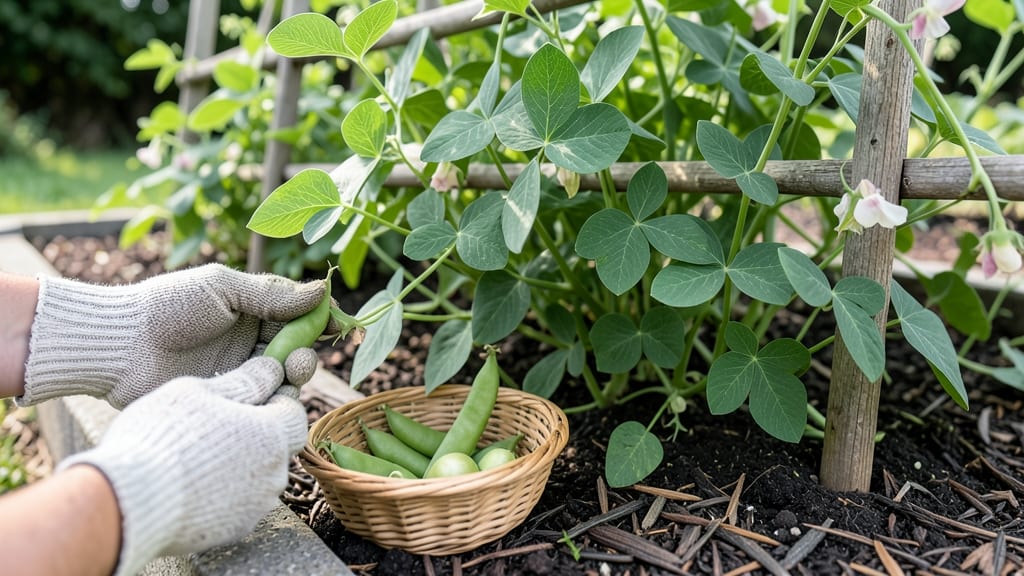
How to know when to pick peas can mean the difference between a sweet, tender harvest and tough, mealy pods that go to waste. The right moment arrives faster than you think—just 60-70 days after planting—and missing it means your garden's hard work goes unnoticed.
Most gardeners focus on pod size, but the true indicators of ripeness lie in subtle details like seed visibility and shell firmness. These 3 often-overlooked cues will transform your pea-picking game, ensuring you never miss the perfect window again. Let's break down what to watch for in your 🌱 garden.
Spring is the ideal time to master this skill, especially in zones like 6a, where early planting gives you a May-June harvest. But even late-summer plantings for fall crops need the same attention. The key? Consistency—checking your plants regularly and acting fast when those telltale signs appear.
Whether you're a first-time gardener or a seasoned pro, these insights will help you maximize your yield and enjoy peas at their peak flavor. Ready to learn the secrets of the perfect pea harvest?
3 Visual cues to harvest peas at peak sweetness
Peas are ready to pick when they hit that perfect balance of size, color, and texture—but most gardeners focus only on length. The three key visual cues I check are pod size, seed visibility, and shell firmness. Ignoring these means missing out on sweet, tender peas at their prime.
First, look for pods between 1.5 to 2 inches long. This is the ideal window for most varieties like Sugar Snap or Snow Peas. Smaller pods are still developing, while larger ones become tough and fibrous. The bright green color should be uniform, not fading or yellowing.
Next, peek inside the pod to check the seeds. At peak ripeness, the peas should be visible but not filling the pod. If they’re tiny and barely showing, wait a few days.
If they’re bulging and pressing against the shell, you’ve missed the sweet spot—the peas will taste starchy and dry.
I also test the pod’s firmness by gently squeezing it. Ready-to-pick peas should feel slightly yielding, like a ripe cucumber. If it’s hard and woody, it’s past its prime. For shelling peas, this texture test is especially critical—they lose sweetness fast once overripe.
Don’t overlook the plant’s overall health. Vibrant green leaves signal the plant is thriving and producing well. If leaves start yellowing or wilting, it’s a sign the plant is stressed or overripe pods are draining energy.
Regular picking actually encourages more production—so check your plants every 2-3 days during peak season.
For Sugar Snap peas, aim for pods that are plump and slightly curved. The string along the seam should still be tender. If it’s tough, the peas are ready but may need shelling. Meanwhile, Snow Peas should be flat and slightly puffy—never let them get thick or fibrous.
Timing matters too. I always pick in the morning after dew has dried because peas are crispest then. Avoid picking after rain, as pods can become waterlogged and spoil faster. Store freshly picked peas in the fridge for up to 3 days to preserve their sweetness.
Pro tip: Use a small pair of garden shears to snip pods cleanly from the vine. This prevents damaging the plant and encourages more flowers (and future peas!). And if you’re growing dwarf varieties, bend down to check lower pods first—they often ripen slightly earlier.
One mistake I see often is waiting for bigger pods thinking they’ll be sweeter. In reality, larger peas mean older, tougher texture. Trust the 1.5–2 inch rule—it’s the sweet spot for flavor and tenderness. Once you master these cues, you’ll never waste another pea harvest again! 🌱
3 Visual cues to harvest peas at peak sweetness
Peas reach their sweetest flavor when harvested at the right moment—but most gardeners miss the subtle signs. The key lies in three physical characteristics of the pods and seeds. First, focus on pod size: ripe peas grow to about 1.5-2 inches long, with a slightly rounded shape.
Smaller pods (under 1 inch) are still developing, while larger ones become tough and mealy.
Next, check the pod texture by gently squeezing it. Ready-to-pick peas should feel plump yet slightly yielding—like a ripe green bean. If the pod feels hard or woody, it’s overripe. Pro tip: Snap test works too—bend a pod slightly; ripe ones snap cleanly at the stem end.
- 1 Pod Size: 1.5-2 inches long, slightly rounded
- 2 Seed Visibility: Seeds show through but don’t fill the pod
- 3 Pod Texture: Plump with slight give when pressed
Don’t overlook the seed color inside the pod—this is the most overlooked clue! At peak ripeness, seeds appear greenish-gray through the pod’s translucent skin. If seeds look dark green or black, the peas have passed their prime.
For sugar snap peas, harvest when pods are flat and crisp; for snow peas, pick when pods are still tender and flat.
Timing matters too: Shelling peas (like 'Green Arrow') should be harvested when pods are fully rounded, while snap peas (like 'Sugar Sprint') stay crispest when slightly younger.
Check your plant’s variety guidelines—some types mature faster than others. For example, dwarf varieties may produce pods 2-3 days earlier than climbing types.
Finally, observe the plant’s overall health. Healthy pea plants have vibrant green leaves and continue producing flowers. If leaves yellow or pods stop forming, your plant may be stressed from over-maturity or nutrient deficiency.
Regular picking encourages new pods to form, extending your harvest window by 2-3 weeks.
Pro move: Harvest peas in the morning when temperatures are coolest. This preserves their sweetness and crispness longer after picking. Store harvested peas in the fridge for up to 3 days—or blanch and freeze them for long-term storage. The sooner you eat them, the sweeter they’ll taste!