
Succulent
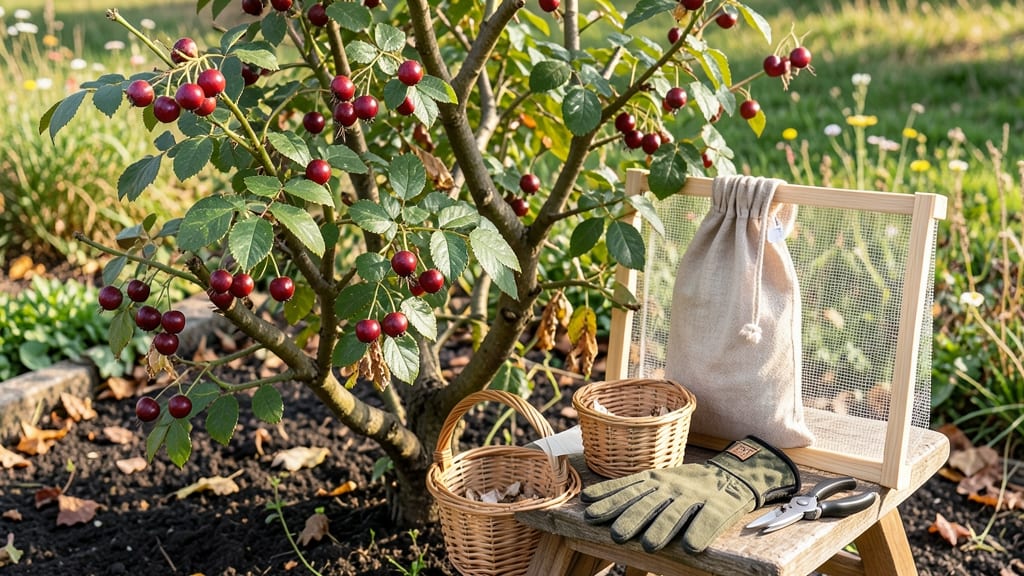
Harvest fully ripe rosehips when dry and red, remove stems, and spread them in a single layer on a dehydrator tray or mesh screen. Dry at 120°F (49°C) for 8-12 hours or air-dry in a warm, well-ventilated space for 2-3 weeks, stirring occasionally to ensure even drying. Store in airtight containers away from light.
Drying rosehips transforms their vibrant color and nutritional power into a shelf-stable treasure. 🌿 The key is patience—rushing the process can destroy the delicate balance of vitamins, especially vitamin C, which degrades when exposed to excessive heat or humidity.
I’ve found that using a dehydrator gives the most consistent results, but even air-drying works beautifully if you live in a dry climate. The goal is to reduce moisture content to about 10-15%, which prevents mold and preserves that signature tangy-sweet flavor.
Once dried, these little powerhouses become a versatile ingredient for teas, jams, or even homemade syrups. Just be sure to store them in glass jars with tight-sealing lids—plastic can trap moisture and lead to spoilage.
A quick test for doneness is the snap test: if a dried rosehip snaps cleanly when bent, it’s ready for storage. 💫
💡 In This Article
- Optimal Conditions for Drying Rosehips
- Step-by-Step Methods for Perfectly Dried Rosehips
Optimal conditions for drying rosehips
Rosehips thrive in specific drying conditions because their moisture content directly impacts both shelf life and nutrient retention. The ideal moisture range for dried rosehips is 10-15%, which prevents microbial growth while preserving their signature vitamin C and antioxidant potency.
Too much moisture (above 18%) risks mold, while over-drying below 8% can degrade vitamin C through oxidation—this is why precise temperature control matters. 🔥
Temperature plays a critical role in balancing drying speed and nutrient preservation. At 120°F (49°C), the enzymatic activity that causes browning and nutrient loss slows dramatically compared to higher heat. This is why dehydrators set to this range work best—they maintain gentle, even heat without risking scorching.
In contrast, oven-drying at 160°F (71°C) or higher can create hot spots, leading to uneven moisture loss and potential vitamin degradation. Humidity control is equally vital: relative humidity should stay below 50% to prevent condensation on the rosehips.
The airflow around your rosehips makes all the difference in achieving even drying. A dehydrator’s fan system circulates air continuously, ensuring every rosehip loses moisture at the same rate. For air-drying, place rosehips on a mesh screen in a well-ventilated area—this prevents stagnant air from trapping moisture and causing spoilage.
I’ve noticed that rosehips dried in still air often develop uneven textures, with some remaining damp inside while others become brittle. 💫
Light exposure also affects quality. Rosehips contain light-sensitive pigments that can fade when exposed to direct sunlight or bright indoor lighting. For this reason, always store dried rosehips in opaque containers or wrap them in brown paper during the drying process.
The goal is to maintain their vibrant red hue, which indicates high vitamin C levels—faded rosehips have already lost some of their nutritional value.
One often-overlooked factor is the rosehips’ natural sugar content. As they dry, these sugars concentrate and can caramelize if exposed to too much heat, creating a slightly sweet flavor. While this isn’t harmful, it can alter the tart profile that makes rosehips ideal for teas and syrups.
To prevent this, avoid exceeding 130°F (54°C) during drying, even with dehydrators that allow higher settings. 🌟
Testing for proper drying is simple: pick up a rosehip and gently bend it. If it snaps cleanly with a slight crackling sound, it’s ready for storage. If it feels pliable or bends without resistance, it needs more time.
This snap test works because fully dried rosehips have lost enough moisture to become crisp yet sturdy—similar to how perfectly dried apples or apricots feel when you test them. 💛