
Blooming
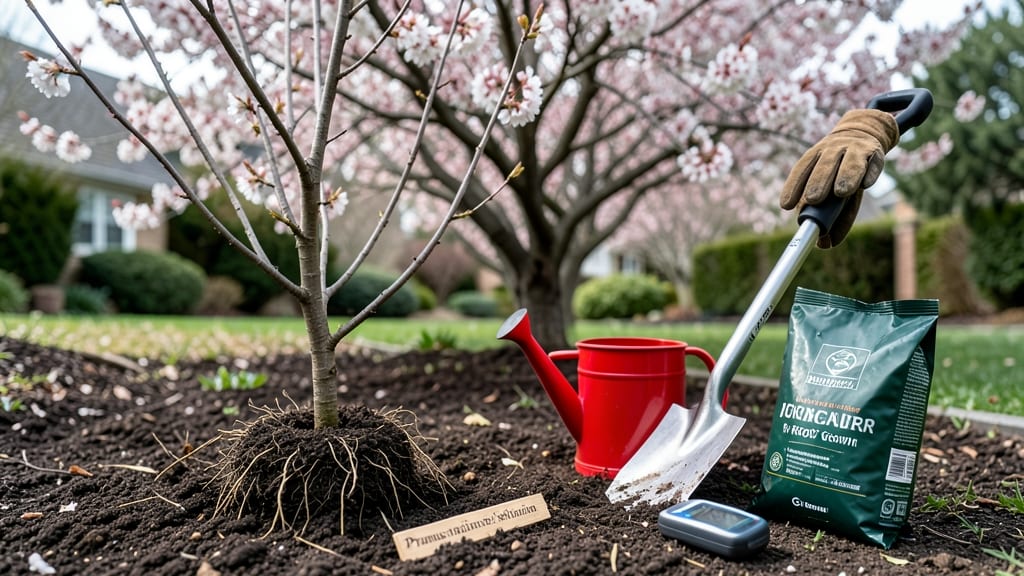
Your yard could be the talk of the neighborhood by next spring. 🌸 Getting cherry blossoms to bloom reliably means mastering three key moves: pruning to shape growth, feeding for energy, and deadheading to keep flowers coming.
I've turned my once-sparse branches into a pink-and-white explosion every April using these exact techniques. The secret starts with the right variety—dwarf types like 'Stella Compact' work in containers, while full-size 'Kwanzan' makes a statement in landscapes.
They all need full sun (6+ hours daily) and well-draining soil, but the real magic happens in late winter when you prune back 1/3 of last year's growth. This isn't about aesthetics—it's about redirecting energy to flower buds.
By summer's end, you'll be snipping spent blooms to encourage more flowers next year. A balanced fertilizer in early spring gives them the boost they need, and consistent watering (1-2 inches per week) keeps roots happy. The payoff? Trees that burst into color year after year, even in small spaces.
Works for both container-grown cherries and landscape trees. Here's how to make it happen without the guesswork—no green thumb required.
📚 In This Guide
- What you need
- Instructions
- Tips and common mistakes
- Wrapping up and next steps
What you need
- ● Cherry Blossom Trees (Prunus serrulata or hybrids): 1-3 mature trees (or saplings, depending on desired size)
- ● Choose dwarf varieties (e.g., 'Kwanzan' or 'Shirotae') for small spaces
- ● Pruning Tools: 1 pair bypass pruners (for clean cuts)
- ● 1 pruning saw (for thicker branches)
- ● 1 loppers (for medium branches, 1-2 inch diameter)
- ● Fertilizer: 1 balanced granular fertilizer (10-10-10 or 20-20-20 NPK ratio)
- ● 1 slow-release organic fertilizer (e.g., compost or worm castings)
- ● Mulch: 2-3 bags organic mulch (wood chips or shredded bark, 2-3 inches deep)
- ● Deadheading Supplies: 1 pair clean gardening gloves
- ● 1 small bucket or bag (for spent blooms)
- ● Climate: USDA Zones 5-8 (cherry blossoms thrive in mild winters and cool springs)
- ● Sunlight: Full sun (6+ hours daily) for optimal blooming
- ● Soil: Well-draining, slightly acidic (pH 5.5-6.5), and rich in organic matter
- ● Watering: Drip irrigation or soaker hose (1-2 inches per week, more during droughts)
- ● Space: Mature trees need 20-40 feet of clearance (check variety specifications)
- ● 1 tree staking kit (for young saplings)
- ● 1 pH testing kit (to monitor soil acidity)
- ● 1 tree banding wrap (to protect trunks from pests)
- ● 1 flower-arranging kit (to showcase your blooms!)
Step-by-step instructions for cultivating cherry blossoms
Here's the straightforward approach I've used to coax vibrant blossoms from my own trees every spring.
✂️ Step 1: Prune for Airflow and Light
Start pruning in late winter or early spring, just as buds begin to swell. Remove any dead, crossing, or crowded branches first—they steal energy from blossom production. I always cut back to an outward-facing bud to encourage new growth that opens toward the sky. Use clean, sharp pruners to avoid tearing bark, which invites disease.
Thin the canopy by about 20-30% to improve airflow. This prevents fungal issues and lets sunlight reach inner branches where blossoms form. Focus on removing branches that grow inward or downward—they block light and create dense, weak wood. You'll see stronger, more open branches within a season, and those are the ones that produce the most flowers.
💧 Step 2: Feed for Healthy Growth
Apply a balanced 10-10-10 fertilizer in early spring when new leaves emerge. Spread it evenly under the tree's drip line, then water deeply to activate it. I use about 1 pound per inch of trunk diameter—for example, a 4-inch trunk gets 4 pounds. This gives your tree the nutrients it needs to build strong stems and abundant blossoms.
In mid-summer, switch to a low-nitrogen, high-phosphorus fertilizer like 5-10-10 to encourage root development and next year's flower buds. Water again after application. Avoid high-nitrogen fertilizers in late summer—they promote leafy growth at the expense of blossoms. You'll notice new leaves appear within a week of feeding, signaling the tree is actively growing.
✂️ Step 3: Deadhead After Blooming
Once the blossoms fade and small fruit (if any) forms, remove spent flowers by cutting back to the nearest healthy bud. This redirects the tree's energy from seed production to next year's blossoms. I use pruning shears to make clean cuts just above a leaf node where new growth can emerge. Don't leave stubs—they can rot and attract pests.
For trees that produce small fruits, you can leave a few clusters if you want fruit, but remove most to prioritize blossoms. I usually leave about 10% of the flowers to set fruit, then deadhead the rest. This balance keeps the tree healthy while maximizing spring beauty. You'll see fresh, green growth at the cut points within a few weeks, signaling the tree is healing and preparing for next season.
☀️ Step 4: Maintain Through the Seasons
Water deeply once a week during dry spells, especially in the first year after pruning. A mature tree needs about 15-20 gallons per week during summer, delivered slowly at the base. Avoid overhead watering—it wets the leaves and encourages fungal diseases. You'll know the tree is getting enough water when the soil feels moist 6 inches deep.
Mulch around the base with 2-3 inches of organic mulch like wood chips or shredded bark. Keep it clear of the trunk to prevent rot. Mulch helps retain moisture and regulates soil temperature. In fall, apply a high-potassium fertilizer like 0-0-50 to strengthen the tree's roots and prepare it for winter. This seasonal care ensures your tree stays vigorous and blooms abundantly year after year.
Tips & tricks for perfect cherry blossom cultivation
These little details make all the difference between a few scattered blossoms and a breathtaking spring display.
Timing is Everything: Prune in late winter or early spring when buds begin to swell—this is when your tree is preparing to burst into bloom. I've learned the hard way that pruning too early (when buds are still dormant) or too late (after leaves emerge) can stress the tree and reduce flower production. The goal is to shape the tree while it's still resting but ready to wake up.
Pruning Precision: When you're thinning that 20-30% of the canopy, focus on branches that grow inward or downward. These are the ones blocking sunlight from reaching the inner branches where most blossoms form. I use the "bud-out" method—always cutting back to an outward-facing bud. This simple technique ensures new growth will face the sky, catching more sunlight and air circulation. You'll notice a dramatic difference in blossom density within just one season.
Fertilizer Strategy: The 10-10-10 balanced fertilizer in early spring is your tree's wake-up call, but timing matters. Apply it right when you see those first fresh leaves emerge—this is when the tree is actively converting nutrients into growth. In mid-summer, switch to the 5-10-10 to focus on roots and next year's buds. I make it a habit to water deeply after fertilizing to help the nutrients reach the roots where they're needed most.
Deadheading Technique: When you're removing those spent blossoms, aim to cut back to a healthy bud just above where the flower was attached. This redirecting of energy is what creates those spectacular blossoms next spring. I usually leave about 10% of the flowers to set fruit if I want some, but for maximum blossoms, remove most. The fresh green growth that appears at the cut points within weeks is your sign that the tree is healing and preparing for next year's display.
Pro Tips for Get Cherry Blossoms
- These little details make all the difference between a few scattered blossoms and a breathtaking spring display.
- Timing is Everything: Prune in late winter or early spring when buds begin to swell—this is when your tree is prepari...
- Pruning Precision: When you're thinning that 20-30% of the canopy, focus on branches that grow inward or downward. Th...
Frequently asked questions
Got questions about bringing those dreamy cherry blossoms into your life? You’re not alone! Here are some of the most common concerns—plus straightforward answers to help you grow the most breathtaking blooms.
How long does it take for a cherry tree to bloom after planting?
A newly planted cherry tree typically won’t bloom for 3–5 years, depending on the variety and growing conditions. Dwarf varieties may flower sooner (1–3 years), while standard trees take longer. Patience is key—focus on proper care (watering, sunlight, and soil health) to speed up the process!
Can cherry blossoms survive in cold climates?
Many cherry blossom varieties (like Prunus serrulata) thrive in USDA zones 5–8. For colder regions, choose hardy types like the Kwanzan or Autumnalis cherry, which tolerate frost. Mulch heavily in winter and protect young trees with burlap wraps if needed.
What’s the best alternative if I can’t grow a cherry tree?
No space or climate for a full-sized tree? Try these low-maintenance alternatives:
- Dwarf cherry trees (e.g., Shidarezakura) – Perfect for containers!
- Ornamental cherries like Prunus ‘Okame’ (early blooms, cold-hardy).
- Flowering almonds (Prunus glandulosa) – Similar pink blooms, easier care.
- Potted bonsai cherries – Miniature versions for indoor/outdoor enjoyment.
Why aren’t my cherry blossoms opening, even though buds are forming?
Bud failure often stems from temperature shocks, disease, or poor pruning. Here’s how to troubleshoot:
- Chill hours: Most cherries need 500–1,000 hours below 45°F (7°C) to bloom. If winters are too warm, buds may drop.
- Late frost: Cover blooms with frost cloth if frost is forecasted.
- Pruning mistakes: Avoid cutting flower buds (they form the year before blooming!).
- Fungal issues: Brown, mushy buds? It could be bacterial canker—prune infected branches and sterilize tools.
Can I eat the fruit from cherry blossom trees?
Most ornamental cherry blossom trees (Prunus serrulata) produce bitter, inedible fruit. However, edible cherry varieties (like ‘Stella Pink’ or ‘Rainier’) yield sweet, juicy cherries. If you want both blooms and fruit, plant a dual-purpose tree—just confirm the variety first!
Wrapping up and next steps
Growing your own cherry blossoms is a rewarding journey that brings beauty and joy to your garden! 🌸 By mastering pruning, feeding, and deadheading, you’ll create the perfect conditions for those stunning spring blooms.
Remember, patience and consistency are key—your efforts will pay off with a breathtaking display year after year.
Ready to take the next step? Start small—whether it’s planting a single tree or nurturing a few branches—and watch your garden transform into a cherry blossom paradise. Happy gardening! 🌱