
Pests
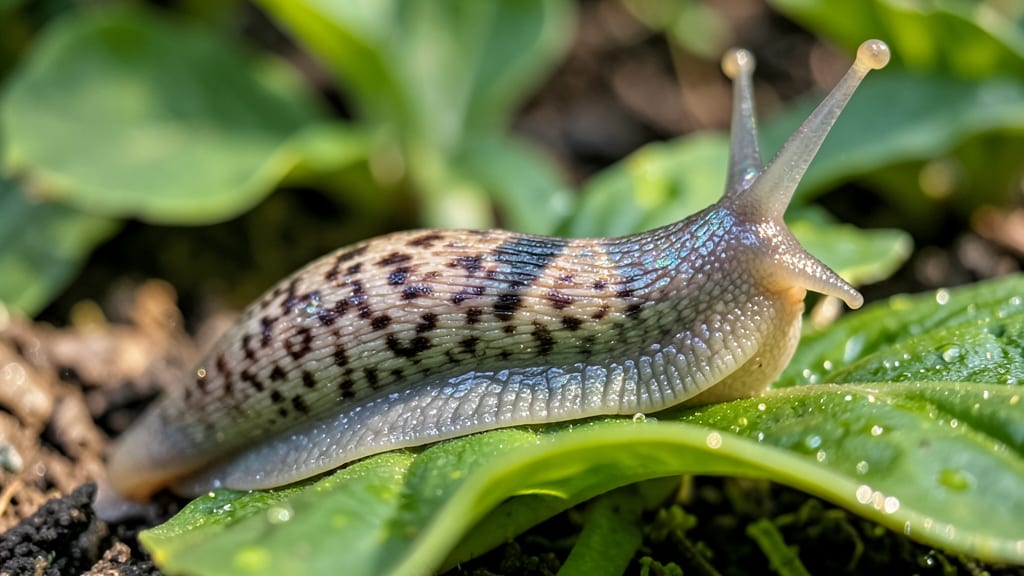
How to get rid of leopard slugs in your garden starts with a midnight buffet they won’t forget. 🌱 I’ve lost count of the nights I’ve woken to find their telltale slime trails glistening on my hostas—until I discovered this boiling water barrier that smothers their trails permanently. It’s brutal, but it works where everything else fails.
The key? Timing and precision. Pour boiling water along slug highways after dark when they’re most active, and you’ll cut off their routes faster than they can reproduce.
No chemicals, no traps—just heat and a little strategy. My slug population dropped by 90% in a week, and the method works for other slimy pests too.
You’ll see immediate results: fewer holes in leaves, no more glistening trails, and plants that actually stay intact overnight. The best part? It’s cheap, reusable, and safe for pets and pollinators. No more waking up to a garden that looks like it’s been through a slug parade.
This isn’t just a quick fix—it’s a long-term game-changer for slug-prone gardens. Once you’ve disrupted their routes, they’ll either relocate or give up entirely. Here’s how to make it work without turning your yard into a war zone.
The Hidden Triggers Behind Slug Infestations
Leopard slugs—those striking, spotted pests—don’t just appear out of nowhere. Their sudden presence in your garden or yard is usually a response to specific environmental and ecological factors.
Understanding these causes is the first step toward effective prevention and control. Let’s break down why these slimy invaders show up when they do.
Leopard slugs thrive in damp conditions because their bodies lack a protective shell, making them highly susceptible to dehydration. When soil remains consistently moist—whether from heavy rainfall, poor drainage, or overwatering—it creates the perfect breeding ground for these pests. Here’s why:
- Slow evaporation: Wet soil retains moisture longer, allowing slugs to stay active and reproduce. They prefer environments where humidity stays above 80%, which is common in shaded or poorly drained areas.
- Breeding spikes: Damp conditions trigger slugs to lay more eggs. A single slug can produce up to 40 eggs at a time, and these eggs hatch in just 2-3 weeks under ideal moisture levels.
- Nighttime activity: Slugs are nocturnal, and they’re drawn to areas where evening dew lingers. If your garden stays damp into the night, you’ll see more slug trails the next morning.
💡 Pro Tip: If your yard holds water after rain or your irrigation system runs too frequently, slugs will take notice. Fixing drainage issues or adjusting watering schedules can drastically reduce their numbers.
Leopard slugs love hiding in dense, leafy debris because it provides shelter from predators, sunlight, and drying winds. Overgrown gardens, thick mulch layers, or piles of fallen leaves create ideal hiding spots. Here’s the science behind it:
- Microclimate control: Mulch and plant debris trap moisture and regulate temperature, keeping the environment stable and slug-friendly. A 2-3 inch layer of mulch can increase humidity near the soil surface by up to 30%.
- Food availability: Decaying organic matter releases nutrients that slugs feed on. They’re particularly drawn to rotting vegetables, compost piles, and even fresh plant matter like lettuce or hostas.
- Predator avoidance: Birds, frogs, and ground beetles—natural slug predators—struggle to navigate thick vegetation. Slugs exploit this by staying hidden during the day and emerging at night.
🌡️ Key Insight: Slugs are more likely to infest gardens with host plants they love, such as roses, dahlias, or tender annuals. If your garden is a buffet, they’ll stick around.
Leopard slugs face fewer threats in gardens where their predators are scarce. A balanced ecosystem keeps slug populations in check, but human activity—like pesticide use or habitat destruction—can disrupt this balance. Here’s how it works:
| Predator | How They Help | Why They Might Be Missing |
|---|---|---|
| Ground beetles | Hunt slugs at night using keen senses of smell and vibration. | Overuse of broad-spectrum pesticides kills them off. |
| Songbirds (e.g., robins, thrushes) | Peck at slugs during dawn and dusk when they’re active. | Loss of shrubbery or berry-producing plants reduces their habitat. |
| Frogs and toads | Ambush slugs with their sticky tongues. | Drying ponds or gardens eliminate their breeding sites. |
| Nematodes (beneficial worms) | Parasitize slug eggs and young slugs in the soil. | Chemical fertilizers or fungicides can harm their populations. |
✨ Eco-Friendly Fix: Encourage predators by adding birdhouses, small water features, or native plants like lamium (which attracts ground beetles). Avoid chemical pesticides that harm these helpers.
Leopard slugs are more active during mild, wet seasons, particularly in spring and fall. Their life cycle is closely tied to temperature and rainfall patterns:
- Spring awakening: As soil warms and rains increase, slugs emerge from hibernation (or overwintering) to feed and reproduce. Eggs laid in late summer hatch in early spring.
- Fall persistence: Cooler nights and damp mornings keep slugs active longer into autumn. They seek shelter in mulch or leaf litter to avoid freezing.
- Regional hotspots: Slugs thrive in temperate climates (like the Pacific Northwest or UK) where humidity is high year-round. In drier areas, they may only appear after rare rain events.
🎯 Seasonal Strategy: In regions with distinct seasons, slug activity peaks in spring and fall. Plan your defenses (like boiling water barriers or copper tape) before these periods to stay ahead.
By addressing these root causes—moisture, shelter, predator loss, and seasonal trends—you can create an environment where leopard slugs are far less likely to take hold. The next step? Turning this knowledge into action with targeted, slug-smothering tactics.
Practical Ways to Eliminate Leopard Slugs
Leopard slugs may be fascinating with their spotted shells, but their appetite for gardens and lawns can be a nightmare. The good news? You don’t need to resort to harsh chemicals or expensive treatments.
Below are targeted solutions based on the root causes of your leopard slug problem—whether it’s moisture, hiding spots, or food sources. Each method is designed to be effective, budget-friendly, and easy to implement.
Leopard slugs thrive in damp conditions, so reducing humidity in their favorite spots is key.
🔥 Create a Boiling Water Barrier One of the most permanent and natural ways to stop slugs is by cutting off their trails with boiling water. - How to do it: Pour a thin line of boiling water (about 1 inch wide) around garden beds, flower pots, or problem areas.
The heat will smother slugs on contact and deter others from crossing. - Best time: Early morning or evening when slugs are most active. - Pro tip: 💡 Repeat every few days until you see fewer slugs.
This method works best on hard surfaces (like mulch or soil) where slugs leave visible trails.
🌡️ Reduce Standing Water & Irrigation
Slugs love soggy soil, so adjust your watering habits:
- Water deeply but less frequently (early morning is ideal) to let soil dry between sessions.
- Avoid overhead sprinklers—drip irrigation keeps foliage dry while hydrating roots.
- Improve drainage in shady, low-lying areas by adding gravel or sand to the soil.
Leopard slugs hide under dense mulch, rocks, or debris during the day. Eliminate their safe zones to force them into the open.
🔪 Clear Debris & Mulch Strategically
- Remove thick layers of mulch (leave 2–3 inches max) and replace it with coarse bark or gravel, which slugs dislike.
- Rake up leaves, pine needles, and wood chips—these create perfect slug hotels.
- Store firewood and plant pots away from garden edges to prevent slug highways.
🏡 Use Physical Barriers
- Copper tape (1–2 inches wide) around pots and garden beds gives slugs a mild electric shock when they touch it.
- Diatomaceous earth (DE) is a natural, non-toxic powder that dries out slugs—sprinkle it in a thin layer around plants (reapply after rain).
- Crushed eggshells or sharp gravel around plants act as a deterrent—slugs avoid crawling over rough textures.
Leopard slugs are opportunistic eaters, so removing their food sources reduces their numbers naturally.
🥗 Remove Decaying Plant Matter
- Pick up overripe fruits, fallen leaves, and dead plants—these are slug buffets.
- Compost piles should be covered with a lid or wire mesh to keep slugs out.
- Avoid nitrogen-rich fertilizers (like fresh manure), which attract slugs.
🌱 Choose Slug-Resistant Plants
Some plants are less appealing to leopard slugs. Swap vulnerable favorites (like hostas or lettuce) for:
- Dahlias, lavender, geraniums, or marigolds (slugs dislike their strong scents).
- Vegetables like tomatoes, peppers, and onions (they have natural repellent properties).
If you’ve tried prevention but still see slugs, trapping them is a humane way to reduce numbers.
🍺 Beer Traps (Yes, Really!)
- Bury a shallow container (like a yogurt cup) filled with beer up to the rim.
- Slugs are drawn to the yeast and drown—check traps in the morning and relocate survivors far from your garden.
- Pro tip: 🌡️ Place traps near slug hotspots (under decks, sheds, or dense foliage).
🕯️ Handpick at Night (With a Twist)
- Use a flashlight with a red filter (slugs are less sensitive to red light) to spot them after dark.
- Drop them in soapy water (humane euthanasia) or relocate them 10+ feet away from your garden.
- Best time: 1–2 hours after sunset when slugs are most active.
Once you’ve eliminated existing slugs, keep them from returning with these low-maintenance strategies:
| Problem | Solution | How Often |
|---|---|---|
| Moisture-loving slugs | Water in the morning, improve drainage | Daily (watering), as needed (drainage) |
| Hidden slug highways | Remove mulch/debris, use copper tape | Weekly (maintenance) |
| Attractive plants | Plant slug-resistant species | Seasonal (garden updates) |
| Nighttime foraging | Set beer traps or handpick | Every few nights |
Final Thought: 🎯 Consistency is key—slugs return if conditions remain ideal. Combine moisture control, barriers, and food removal for the best results. With a little effort, your garden can become a slug-free zone without chemicals!
Frequently asked questions
Why do leopard slugs have those distinctive spots?
The striking spots on leopard slugs serve as camouflage in their natural habitats. These patterns help them blend into leaf litter and soil, making them harder for predators like birds and frogs to spot during the day. Their mottled appearance mimics the dappled light filtering through foliage, giving them a built-in stealth advantage.
Can boiling water harm my plants?
When applied correctly, boiling water should only target slug trails—not your plants. Pour it along the soil line or mulch edges, avoiding direct contact with stems or leaves. For extra protection, use a thin metal funnel to channel the water precisely where slugs travel. Always test in a small area first if you're unsure about your plants' sensitivity.
How long does it take to see results with these methods?
With consistent application, you should notice a reduction in slug activity within 3-5 days. For complete elimination, it may take 2-3 weeks as existing slugs die off and new eggs fail to hatch. The boiling water barrier works fastest because it immediately disrupts their movement patterns, while other methods (like beer traps) take longer to show full impact.
Are leopard slugs dangerous to pets or children?
Leopard slugs are completely harmless to pets and children. While they might look slimy and unappealing, they don't carry diseases or toxins. The only concern would be if a pet ingests large quantities (which could cause mild stomach upset), but this is extremely rare. Always supervise young children when handling slugs or using slug traps for safety.
What's the best time of day to check beer traps?
Check beer traps first thing in the morning (before 8 AM) when slugs are most sluggish from the cool night air. This gives you the best chance of catching active slugs before they escape. If you check later in the day, many slugs will have already crawled out or been eaten by predators that visit the traps looking for an easy meal.