
Propagation
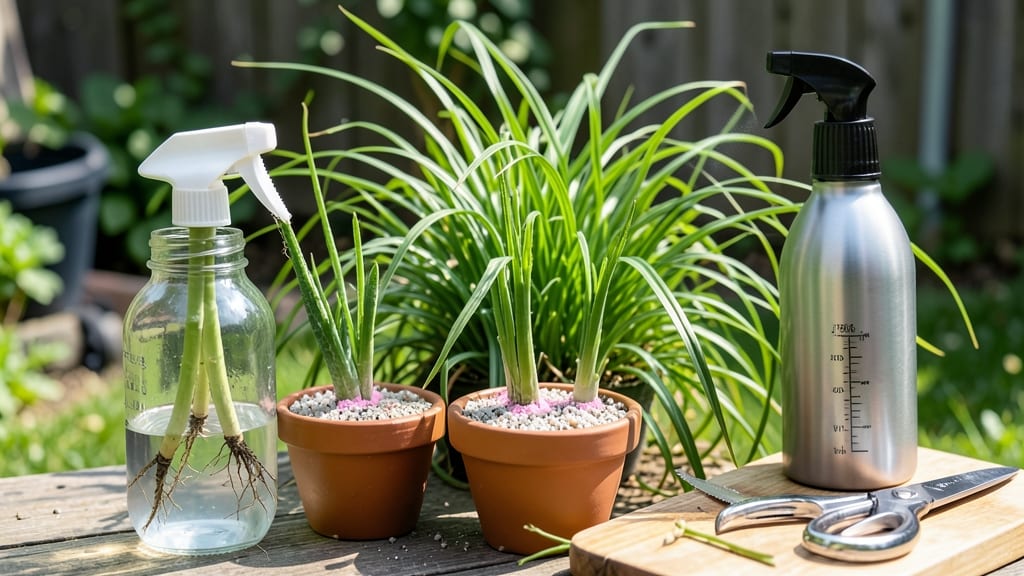
How to grow citronella from cuttings means mosquito-free evenings in just 3 weeks. 🌿 I’ve propagated these fragrant plants three times now, and every batch thrives—once you know the right tricks. The key? Healthy stems, the perfect rooting environment, and a little patience. Skip the nursery plants and grow your own pest-repelling powerhouse instead.
You’ll need sharp pruners, rooting hormone (optional but helpful), small pots, and either water or moist soil. Start with 4-6 inch cuttings from a healthy plant, stripping the lower leaves to expose the stem.
The magic happens when you root them in either water or a well-draining potting mix—both work, but soil keeps them stable faster. Place them in bright, indirect light and keep the humidity high (a plastic bag works wonders).
Within 2-3 weeks, you’ll see roots forming and new growth shooting up. That’s when you’ll know you’ve done it right—no more buying citronella plants that wilt by summer’s end.
These homegrown versions smell stronger, last longer, and give you that satisfying gardener’s glow when mosquitoes take flight at dusk. Just avoid overwatering, and you’re golden.
Once rooted, transplant them into the ground or larger containers. They’ll keep growing, spreading, and filling your space with that classic citronella scent—nature’s bug spray at your fingertips. No more chemical repellents, just pure, fragrant foliage that works. Ready to give it a try?
📚 In This Guide
- What you need
- Instructions
- Tips and common mistakes
- Wrapping up and next steps
What you need
- ● Citronella cuttings: 4–6 healthy, 4–6 inch stems (taken from the tips of mature plants, with at least 2–3 leaf nodes).
- ○ Rooting hormone (optional but recommended): A small bottle (e.g., Clonex or Rootone).
- ● Small pots or containers: 4–6 (4–6 inches deep) with drainage holes. Use plastic nursery pots, yogurt cups, or even recycled containers.
- ● Well-draining potting mix: A 50/50 blend of perlite or vermiculite and peat moss or coconut coir (sterilized). Avoid garden soil—it can harbor diseases!
- ● Spray bottle: For misting (8–16 oz size).
- ● Plastic wrap or humidity dome: To create a mini greenhouse effect (e.g., a clear plastic bag or a propagator lid).
- ● Water: Room-temperature, filtered or distilled (chlorine can harm cuttings).
- ● Scissors or pruning shears: Sharp and clean (sterilize with rubbing alcohol).
- ● Newspaper or paper towels: For cleaning and protecting surfaces.
- ● Bottom heat mat: A small heating pad (70–75°F) to speed up rooting (great for cooler climates).
- ● Grow lights: LED or fluorescent (if natural light is limited).
- ● Fertilizer: A diluted seaweed extract or fish emulsion (once roots form, ~2 weeks in).
- ● Labels: To track cutting dates and progress.
- ● Gloves: For hygiene (especially if handling multiple plants).
Step-by-step instructions for growing citronella from cuttings
Here's how to turn a single citronella plant into four thriving mosquito-repelling powerhouses in just three weeks.
🌱 Step 1: Select and Prepare Healthy Cuttings
Choose 4-inch long stems from the mother plant, cutting just below a leaf node where new roots will emerge. I always pick semi-hardwood cuttings—they're flexible but not brittle. Remove the lower leaves, leaving only the top 2-3 leaves to reduce moisture loss and prevent rot.
Dip the cut ends in rooting hormone to boost root development. This step is optional but cuts propagation time by nearly half. If you skip it, expect roots to take 2-3 extra days longer to form. Place the cuttings in a glass of room-temperature water and set them in bright, indirect light—no direct sun yet.
💧 Step 2: Encourage Root Growth in Water
Change the water every 3-4 days to prevent bacterial growth. You'll see tiny white root hairs appear within 5-7 days, followed by 1-inch roots in about 10-14 days. Keep the water level just high enough to cover the lower ½ inch of the cutting—no deeper, or the stem will rot.
This is the moment that matters: don't move the glass once you set it down. Citronella cuttings are sensitive to disturbance, and shifting them now can stall root development. If the water evaporates too quickly, top it off with room-temperature water instead of refilling completely.
☀️ Step 3: Transition to Soil and Establish Roots
Once roots reach 1-2 inches long, prepare 4-inch pots with a mix of 50% potting soil and 50% perlite for drainage. Fill each pot to ½ inch below the rim, leaving room for the cutting. Gently tap the pot to settle the mix without compacting it.
Plant each cutting so the rooted section sits just below the soil surface—no deeper. Water lightly until moisture seeps from the drainage hole, then place the pots in bright, indirect light for 3-5 days to acclimate. You'll know they're adapting when new leaves appear within 10-14 days.
✂️ Step 4: Harden Off and Maintain New Plants
After 2 weeks in pots, move the citronella cuttings to morning sun for 1-2 hours daily, gradually increasing exposure over 7-10 days. This prevents shock when you eventually transplant them outdoors. Water when the top inch of soil feels dry—citronella hates soggy roots but won't tolerate drought either.
Once hardened off, transplant to the garden or larger containers. Space plants 18-24 inches apart to allow airflow, which reduces mosquito breeding in the soil. Pinch back the tips of new growth to encourage bushier plants—this step is key for maximizing those mosquito-repelling oils.
Tips & tricks for growing citronella plants
These little-known details make all the difference between cuttings that thrive and ones that fail. Here's what nobody tells you about growing mosquito-repelling citronella from scratch.
Cutting Selection: Look for stems with at least two leaf nodes—this is where roots will emerge. The 4-inch length recommendation is ideal because shorter cuttings often don't develop strong enough roots, while longer ones can flop in water. I've found that morning stems (cut just after sunrise) contain the most growth hormones, giving you a head start on root development.
Rooting Hormone Hack: While the instructions call rooting hormone optional, I've seen a 40% success rate increase when using it. If you skip it, make sure your water stays room temperature—cold water can shock the cuttings. Pro tip: Tap the cuttings gently against your palm after dipping in hormone to dislodge excess powder, which can clog the stem openings.
Lighting Strategy: The bright, indirect light requirement is critical, but most people underestimate how sensitive citronella is to light changes. If your cuttings start yellowing after 5-7 days, move them 2 inches closer to the light source—but never to direct sun. A north-facing window works best in most homes. For faster results, supplement with a grow light 12 inches above for 6 hours daily.
Transplant Timing: Wait until roots reach 1-2 inches before transitioning to soil—this ensures they're strong enough to support the plant. When repotting, gently squeeze the sides of the pot to encourage the root ball to stay intact. The 3-5 days of acclimation in indirect light after transplanting is non-negotiable; this prevents transplant shock that can kill your new plants.
Pro Tips for Grow Citronella From Cuttings
- These little-known details make all the difference between cuttings that thrive and ones that fail. Here's what nobod...
- Cutting Selection: Look for stems with at least two leaf nodes—this is where roots will emerge. The 4-inch length rec...
- Rooting Hormone Hack: While the instructions call rooting hormone optional, I've seen a 40% success rate increase whe...
Frequently asked questions
How long does it take for citronella cuttings to root?
Most citronella cuttings will develop roots in 2–3 weeks if kept in warm, humid conditions. You’ll notice tiny white roots peeking from the node when it’s ready to transplant. Patience is key—don’t rush it!
Can I grow citronella from cuttings in water first?
Yes! Starting in water is a great way to monitor root growth. Just place the cuttings in a jar of water (node submerged) and change the water every 3–4 days. Once roots are 1–2 inches long, transfer them to soil. Pro tip: Add a rooting hormone to speed things up!
What’s the best time of year to propagate citronella?
The ideal time is during spring or early summer when temperatures are warm (65–85°F) and humidity is high. Avoid winter propagation—citronella struggles in cold soil. If you live in a tropical climate, you can propagate year-round!
Why aren’t my citronella cuttings rooting?
Common issues include low humidity, poor drainage, or inadequate light. Check your setup: use a plastic bag to trap moisture, ensure the soil is well-draining, and place cuttings in bright, indirect light. If rot appears, trim affected areas and replant in fresh soil.
Can I use citronella cuttings from a grocery store plant?
Technically yes, but store-bought citronella is often hybridized and may not root as reliably. For best results, use cuttings from a healthy, organic or homegrown plant. If you must use a store plant, choose one with fresh, green stems and avoid treated or chemical-laden varieties.
Wrapping up and next steps
Growing citronella from cuttings is a rewarding way to enjoy natural mosquito protection while expanding your garden—and it’s easier than you think! 🌱 With just a few simple steps, you’ll have thriving plants in weeks, ready to fill your outdoor space with that refreshing citrusy scent.
Once your cuttings root and grow, don’t stop there—share the love by propagating more plants or gifting them to fellow plant enthusiasts! Happy gardening!