
Size
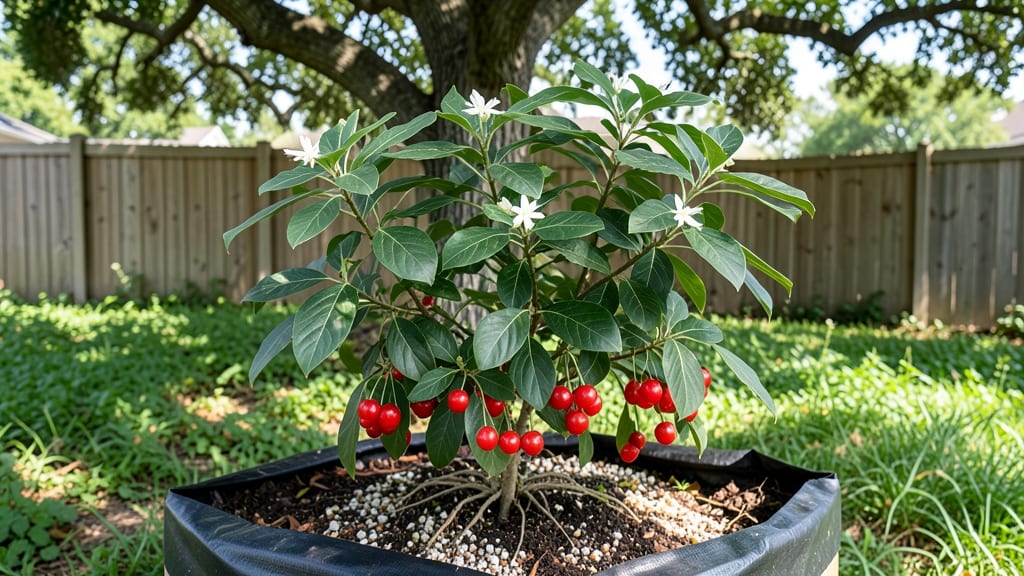
How to grow the miracle fruit plant will change your taste buds forever—this tropical wonder turns sour into sweet, but success requires patience and the right conditions. I've nurtured mine through two winters, and here's how to avoid my early mistakes.
Start with seeds that germinate slowly (sometimes 6-12 months!) in warm, humid conditions. Use a mix of peat moss and perlite, keep soil consistently moist but never soggy, and maintain 75-85°F temperatures.
A greenhouse or bright indoor spot with a heat mat helps speed things along—my first batch took nearly a year just to sprout.
Once established, your plant will reward you with glossy leaves and tiny red berries. Harvest when fully ripe (they're not edible raw—you'll need to dry and pulverize them for the flavor magic). The real payoff comes when you taste something sour after chewing a dried berry—suddenly, lemons taste like candy.
Outdoor growers in zones 10-12 can plant directly, while others need containers with drainage. Watch for mealybugs and scale—they love these plants. With proper care, your miracle fruit can live for decades and produce fruit year-round in ideal conditions.
📚 In This Guide
- What you need
- Instructions
- Tips and common mistakes
- Wrapping up and next steps
What you need
- ● Miracle fruit seeds or a rooted cutting: 1–3 (seeds may take longer to sprout; cuttings speed up growth).
- ● Well-draining potting mix: 1–2 bags (use a blend of peat moss, perlite, and coconut coir for aeration).
- ● Pot with drainage holes: 6–8" diameter (terracotta or plastic; ensure it’s 2–3x wider than the root ball).
- ● Watering can or spray bottle: 1 (with a fine mist setting for seedlings).
- ● Humidity dome or plastic wrap: 1 (to retain moisture during germination).
- ● Grow lights or sunny windowsill: Access to 6+ hours of indirect light daily (south-facing window or LED grow lights).
- ● Fertilizer (balanced or citrus-specific): 1 bottle (dilute to half-strength for young plants).
- ● Seedling heat mat: 1 (speeds up germination if temps dip below 70°F).
- ● Pruning shears: 1 pair (for shaping or harvesting fruit).
- ● Mulch (e.g., bark chips): 1 bag (retains soil moisture and mimics tropical conditions).
- ● pH test kit: 1 (ideal soil pH: 5.5–6.5; miracle fruit prefers slightly acidic soil).
- ● Support stake or trellis: 1 (if growing as a bush or vine; fruit can get heavy!).
Step-by-step instructions for cultivating miracle fruit
Growing this tropical curiosity takes patience and precise care—here’s exactly how to coax those flavor-altering berries from seed to fruiting plant.
Acquire and Prepare Seeds for Germination
Miracle fruit seeds require a warm, humid environment to break dormancy. Start by soaking the seeds in lukewarm water for 24 hours to soften the outer coating. This step is critical—dry seeds may take weeks or never sprout. After soaking, place them between two damp paper towels and fold the towels to create a snug wrap. Store the wrapped seeds in a sealed plastic bag and place it in a warm spot (75-85°F), such as on top of a refrigerator or near a heat source.
Check the seeds daily and keep the towels moist but not soggy. You’ll see the first signs of germination in 7-14 days when the seed coat splits and a small white root emerges. Once the root reaches about ½ inch, the seedling is ready for planting. Handle gently—miracle fruit seedlings are delicate and prone to damage.
Plant Seedlings in Well-Draining Soil Mix
Fill a 4-inch diameter pot with a lightweight, airy potting mix designed for tropical plants. Miracle fruit thrives in soil that drains quickly but retains moisture—amend your mix with 20% perlite or orchid bark to improve aeration. Gently remove the seedling from the paper towel, ensuring the root remains intact, and plant it ½ inch deep in the soil. Press the soil lightly around the seedling to secure it without compacting.
Place the pot in a location with bright, indirect light—direct sunlight can scorch the young leaves. Maintain a 70-80°F temperature range and keep the soil consistently moist but never waterlogged. A humidity dome or plastic wrap over the pot can help maintain the tropical conditions the seedling craves. Remove the cover once the first true leaves appear, usually within 3-4 weeks.
Transition to Larger Containers and Outdoor Conditions
When the seedling reaches 4-6 inches tall and develops 4-6 true leaves, it’s time to transplant into a 6-inch pot. Use the same well-draining mix and handle the plant carefully to avoid disturbing the roots. Gradually acclimate the seedling to outdoor conditions over 2-3 weeks by placing it in a shaded, sheltered spot for 1-2 hours daily, increasing exposure incrementally. This process, called hardening off, prevents shock and ensures the plant adapts to outdoor temperatures and light.
Once fully hardened, move the plant to a location with partial shade to dappled sunlight—miracle fruit tolerates shade better than full sun, which can stress the plant. Ensure the outdoor temperature stays above 60°F at night, as cooler temperatures can stunt growth. Water the plant when the top inch of soil feels dry, allowing excess water to drain completely to prevent root rot.
Maintain Optimal Growing Conditions for Fruiting
Miracle fruit plants thrive in humid environments, so mist the leaves regularly or place the pot on a tray filled with pebbles and water to increase humidity. Fertilize the plant every 4-6 weeks during the growing season with a balanced, water-soluble fertilizer diluted to half strength. Over-fertilizing can lead to salt buildup in the soil, which harms the plant. Reduce fertilization in the fall and winter as growth slows.
The plant typically begins flowering and fruiting 12-18 months after planting, producing small, round berries that turn from green to red when ripe. Harvest the berries by gently twisting them from the stem—don’t pull too hard, as this can damage the plant. The berries contain the miracle compound that alters taste perception, so handle them carefully to avoid staining fingers or surfaces.
Overwintering and Long-Term Care
Miracle fruit is sensitive to cold and requires protection during winter months. If temperatures drop below 50°F, bring the plant indoors to a bright, humid location. Reduce watering slightly but keep the soil lightly moist. Prune any yellow or damaged leaves to encourage new growth. In spring, resume regular watering and fertilizing as the plant enters its active growing phase.
With consistent care, a miracle fruit plant can live for 5-10 years, producing berries seasonally. Patience is key—this isn’t a fast-growing plant, but the reward of experiencing flavors transformed by its berries makes the wait worthwhile. Keep an eye out for pests like spider mites or mealybugs, and treat infestations promptly with insecticidal soap or neem oil to protect your plant.
Tips & tricks for perfect miracle fruit cultivation
Between us, growing miracle fruit from seed to fruiting plant reveals the most satisfying rewards—but only if you nail these key details. Here's what nobody tells you about bringing this tropical wonder into your garden.
Germination Precision: That 24-hour soak isn't just a suggestion—it's non-negotiable for breaking the seed's tough outer shell. I learned this the hard way after watching seeds sit for weeks without sprouting. Use lukewarm water (around 75°F) and resist the urge to check constantly; the seeds need consistent moisture, not sporadic attention. Once you see that tiny white root emerge, move quickly to planting to prevent damage to the delicate seedling.
Soil Science Matters: The 20% perlite or orchid bark amendment in your 4-inch pot isn't just about drainage—it's about creating the perfect air-to-moisture ratio that mimics the plant's natural tropical habitat. I recommend mixing in a handful of worm castings for additional nutrients that miracle fruit loves. When repotting to the 6-inch container, use the same mix to avoid shocking the plant's root system with different growing conditions.
Light Management: Bright, indirect light is crucial during all growth stages, but the transition to outdoor conditions requires special attention. In Step 3, when you're hardening off your seedling, start with just 1-2 hours of morning sun—this gradual exposure prevents leaf scorch. I've seen plants develop sunburn when moved too quickly to direct sunlight, even when following the 2-3 week acclimation period. Watch for pale or crispy leaf edges as early warning signs.
Fruiting Conditions: The 12-18 month wait for fruiting feels endless, but maintaining that 70-80°F temperature range and consistent humidity during this period makes all the difference. I've found that placing the plant on a pebble tray with water creates a microclimate that mimics its native environment. Once flowering begins, reduce fertilizer to half strength to prevent salt buildup that can stress the plant during its reproductive phase.
Pro Tips for Grow Miracle Fruit Plant
- Between us, growing miracle fruit from seed to fruiting plant reveals the most satisfying rewards—but only if you nai...
- Germination Precision: That 24-hour soak isn't just a suggestion—it's non-negotiable for breaking the seed's tough ou...
- Soil Science Matters: The 20% perlite or orchid bark amendment in your 4-inch pot isn't just about drainage—it's abou...
Frequently asked questions
Got questions about growing your own miracle fruit? Here are answers to the most common ones—so you can turn your green thumb into a flavor-changing superpower!
How long does it take for miracle fruit to bear edible berries?
Patience is key! Miracle fruit plants typically take 12–18 months to produce berries after germination, with the first harvest possible in spring or summer of the second year. Young plants focus on root and leaf growth, so don’t rush—consistent care pays off with flavor magic!
Can I grow miracle fruit indoors? What’s the best setup?
Start indoors with a bright, south-facing window or under grow lights (12–14 hours/day). Use a well-draining pot (6+ inches deep) and keep humidity high with a humidity dome or pebble tray. Once temperatures stay above 50°F (10°C), transition it outdoors gradually.
Why are my miracle fruit leaves turning yellow or dropping?
Yellow leaves usually signal overwatering or nutrient deficiency. Let the top inch of soil dry out between waterings, and fertilize lightly with a balanced 10-10-10 mix every 4–6 weeks. Check for pests like spider mites too—spray with neem oil if needed.
Does miracle fruit work on all foods? What’s the best way to test it?
Miracle fruit (synsepalum dulcificum) enhances sour and bitter flavors—think lemons, limes, or even coffee! To test, chew a ripe berry, wait 30 minutes, then taste something acidic. The effect lasts 1–2 hours. Pro tip: Start with small doses to avoid an overly sweet overload!
What’s the ideal temperature range for growing miracle fruit?
Miracle fruit thrives in warm climates (70–85°F / 21–29°C). It’s tropical, so protect it from frost (below 32°F / 0°C kills it). In cooler zones, grow it as a houseplant or move it indoors before winter. A heat lamp can help extend the growing season outdoors!
Wrapping up and next steps
Growing a miracle fruit plant is a rewarding adventure that brings a taste-bud-transforming experience right to your doorstep! With the right conditions—warmth, humidity, and patience—you’ll soon enjoy its magical berries that make sour foods taste sweet.
Whether you’re a seasoned gardener or a curious beginner, this flavor-altering plant is well within reach.
Ready to take the next step? Start with a cutting or seed, nurture it with love, and soon you’ll be sharing your miracle fruit magic with friends and family. Happy growing—your taste buds will thank you! 🌱✨