
Pests
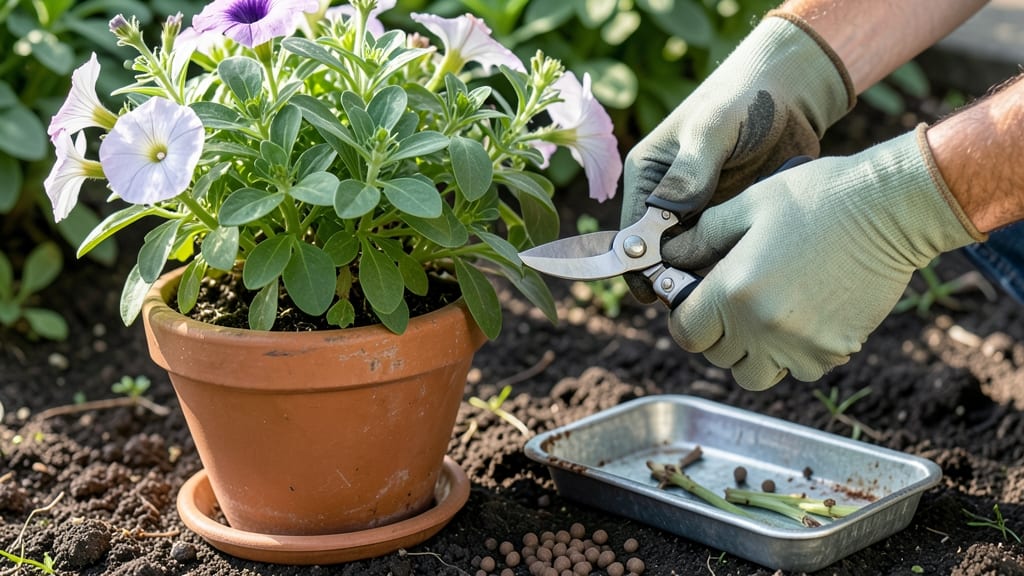
How to keep petunias bushy is the secret to transforming your sad, leggy sticks into lush, vibrant blooms—it’s all about timing and technique. ✨ The right pruning, feeding, and deadheading routine turns them from straggly to showstopping within weeks, with flowers that last all season.
Start by pinching back new growth when stems reach 4-6 inches—this forces the plant to branch out instead of growing tall and skinny. Use clean pruners (or even your fingers) to snip just above a leaf node, and repeat every 2-3 weeks for dense foliage.
The key is consistency: over-prune, and you’ll stunt growth; skip it, and you’ll miss the bushy potential.
Feed them right, too—balanced 10-10-10 fertilizer every 2 weeks keeps them blooming like crazy. Water at the base (not the leaves) to avoid fungal issues, and always deadhead spent blooms to redirect energy into new flowers.
Within 4-6 weeks, your petunias will be lush, full, and covered in blooms.
Pair them with marigolds or nasturtiums to deter pests while keeping the color party going. The best part? This works for container petunias too—just adjust fertilizer amounts for smaller pots. No more sad, sparse flowers—just thick, vibrant bushes that steal the show.
📚 In This Guide
- What you need
- Instructions
- Tips and common mistakes
- Wrapping up and next steps
What you need
- ● Petunia plants – Healthy, well-established plants (choose varieties like 'Wave,' 'Supertunia,' or 'Mitchell' for bushiness).
- ● Pruning shears or sharp scissors – Clean, sterilized tools (avoid dull blades to prevent tearing stems).
- ● Garden gloves – Protective gloves to shield hands from thorns or rough stems.
- ● Balanced fertilizer – A 10-10-10 or 20-20-20 NPK ratio (follow package instructions for dilution).
- ● Slow-release granules or organic compost – 1-2 cups per plant (e.g., osmocote or well-aged manure).
- ● Watering can or hose with a gentle spray nozzle – For deep, even hydration (avoid overhead watering to prevent mildew).
- ● Compost or mulch – 1-2 inches (shredded bark, straw, or coconut coir to retain moisture).
- ● Plant growth regulator – e.g., paclobutrazol (for compact growth in large varieties).
- ● Copper fungicide – Prevents powdery mildew if petunias are in humid conditions.
- ● Garden twine or stakes – Supports trailing varieties (e.g., 'Wave' petunias).
- ● pH testing kit – Ensures soil pH is 6.0-7.0 (petunias thrive in slightly acidic to neutral soil).
- ● Plant food with micronutrients – Boosts magnesium and calcium for vibrant blooms.
Step-by-step instructions for keeping petunias bushy and blooming
Here's the simple routine I swear by to keep petunias lush and flowering like crazy all season.
✂️ Step 1: Prune for Shape and Airflow
Start by pinching back the tips of new growth when plants are about 6 inches tall. This encourages branching instead of letting them grow tall and leggy. Use clean, sharp scissors or pruners to make cuts just above a set of leaves or a leaf node—never leave stubs. I like to do this in the morning so plants have the whole day to recover.
For established plants, trim back any overgrown stems to about ½ their length during the growing season. Cut just above a leaf joint where new growth can emerge. This prevents the plant from putting all its energy into just a few long stems and keeps it compact. You'll see new side shoots forming within a week—that's your signal everything is working.
💧 Step 2: Feed Regularly for Vigorous Growth
Petunias are heavy feeders, so I apply a balanced 10-10-10 fertilizer every 2-3 weeks during the growing season. Water the plants first, then sprinkle the fertilizer granules evenly over the soil surface. Gently scratch it into the top inch of soil with your fingers to activate it. This prevents burning the roots and ensures the nutrients get where they're needed.
For a mid-season boost, I switch to a low-nitrogen, high-phosphorus fertilizer (like 5-10-5) to encourage more blooms. You'll notice flowers becoming larger and more abundant within a couple of weeks. Always follow the package instructions for application rates—petunias can get leaf burn from too much fertilizer.
✂️ Step 3: Deadhead Daily for Continuous Blooms
Deadheading is the secret to nonstop flowers. As soon as a bloom fades, pinch or snip off the spent flower just above the next set of leaves or buds. This prevents the plant from wasting energy on seed production and redirects it to new blooms. I do this every morning—it takes just a few minutes but makes a huge difference.
If you miss a few flowers, don't worry. Just keep up with deadheading as soon as you notice faded blooms. You'll see new buds forming within days. For trailing petunias, focus on removing flowers from the tips of the vines to encourage more cascading growth. The more you deadhead, the bushier and fuller your petunias will become.
☀️ Step 4: Provide the Right Growing Conditions
Petunias thrive in full sun (6-8 hours daily) and well-draining soil. If your plants start looking stressed or blooms fade quickly, they might need more sunlight. Move them to a sunnier spot or supplement with a grow light if you're growing them in containers indoors.
Water at the base of the plant in the morning to keep the foliage dry. Wet leaves can lead to fungal diseases, which weaken the plant and reduce flowering. Mulch around the base with 1-2 inches of organic mulch to retain moisture and keep roots cool. You'll know you're doing it right when your petunias stay vibrant green and keep producing blooms without a break.
Tips & tricks for perfect petunia care
These small adjustments can transform your petunias from leggy to lush in no time—trust me, I've seen the difference firsthand.
Timing for First Prune: The 4-6 week window for your first prune is critical. If you prune too early, your plants won't have enough energy to branch properly. If you wait too long, you'll be playing catch-up with leggy stems. I always check for those 3-4 sets of leaves—when they're there, it's time to pinch. This timing creates that perfect bushy foundation.
Deadheading Discipline: That 2-3 day deadheading schedule might seem frequent, but it's what keeps your petunias blooming nonstop. Here's what I do: I carry a small pair of scissors in my gardening apron and check my petunias first thing in the morning. Removing spent blooms right away prevents seed formation and tells the plant to focus on making new flowers instead.
Fertilizer Strategy: The 7-10 day feeding schedule is non-negotiable for heavy bloomers like petunias. I've learned this the hard way—skipping feeds leads to weak stems and fewer flowers. My secret is mixing that fertilizer at half-strength. It's less wasteful and prevents root burn. Plus, I always apply it in the morning so the roots have all day to absorb nutrients before the heat sets in.
Light Adjustment: Those 6-8 hours of morning sun are essential, but afternoon shade is the game-changer in hot climates. I use a lightweight shade cloth (about 30% block) on my southern-facing planters. It's subtle enough not to look out of place, but it prevents the plants from stretching toward the light. You'll notice the leaves stay darker green and the stems stay sturdy when you provide this balance.
Pro Tips for Keep Petunias Bushy
- These small adjustments can transform your petunias from leggy to lush in no time—trust me, I've seen the difference firsthand.
- Timing for First Prune: The 4-6 week window for your first prune is critical.
- Deadheading Discipline: That 2-3 day deadheading schedule might seem frequent, but it's what keeps your petunias blooming nonstop.
Frequently asked questions
Got questions about keeping your petunias lush and full of blooms? You’re not alone! Here are some of the most common concerns—and straightforward answers to help you grow the bushiest petunias possible.
Why are my petunias growing tall and leggy instead of bushy?
Leggy growth usually means your petunias aren’t getting enough light or nutrients. Move them to a sunnier spot (at least 6–8 hours of sunlight daily) and fertilize with a balanced, water-soluble fertilizer every 2–3 weeks. Pinching back the tips of new growth can also encourage bushier habits.
How often should I prune petunias to keep them bushy?
Prune petunias every 2–4 weeks during the growing season (spring to fall). Focus on removing spent blooms (deadheading) and trimming leggy stems back to a leaf node. Avoid over-pruning—just a light trim keeps them compact without stressing the plant.
Can I use the same pruning techniques for trailing vs. bush petunias?
Trailing petunias (like ‘Wave’ or ‘Supertunia’) need less aggressive pruning—just trim back leggy vines to encourage fuller growth. Bush varieties (like ‘Mitchell’) can handle harder cuts. Always prune just above a leaf node to promote new branches. Trailing types may also benefit from occasional “pinching” to control sprawl.
What do I do if my petunias stop blooming after pruning?
If blooms drop off post-pruning, it’s often due to shock or over-trimming. Give them 1–2 weeks to recover, then resume light pruning. Boost blooms with a phosphorus-rich fertilizer (like 5-10-5) and ensure they’re in full sun. Stress from pests (like aphids) or underwatering can also halt flowering—check for issues!
Is it too late to prune petunias in late summer for bushier growth?
Late-summer pruning can still work, but growth slows as temps drop. Focus on removing dead or diseased foliage and light deadheading. Avoid heavy cuts—save aggressive pruning for spring. If frost is coming, prune back by ⅓ to protect the plant for next season.
What’s the best alternative if my petunias refuse to stay bushy?
If pruning and fertilizing aren’t working, try transplanting to a larger pot (if container-grown) or dividing overcrowded plants. Some varieties (like Petunia ‘Easy Wave’) naturally stay bushier—consider swapping out stubborn plants for these low-maintenance types.
Wrapping up and next steps
Keeping your petunias lush and bushy is all about consistent care—pruning for shape, deadheading for blooms, and feeding for vitality. With a little patience and the right techniques, you’ll enjoy nonstop color all season long! 🌸
Ready to transform your garden? Grab your shears and start today—your petunias will thank you with bold, vibrant blooms that keep coming back. Happy gardening! 🌿