
Shrubs
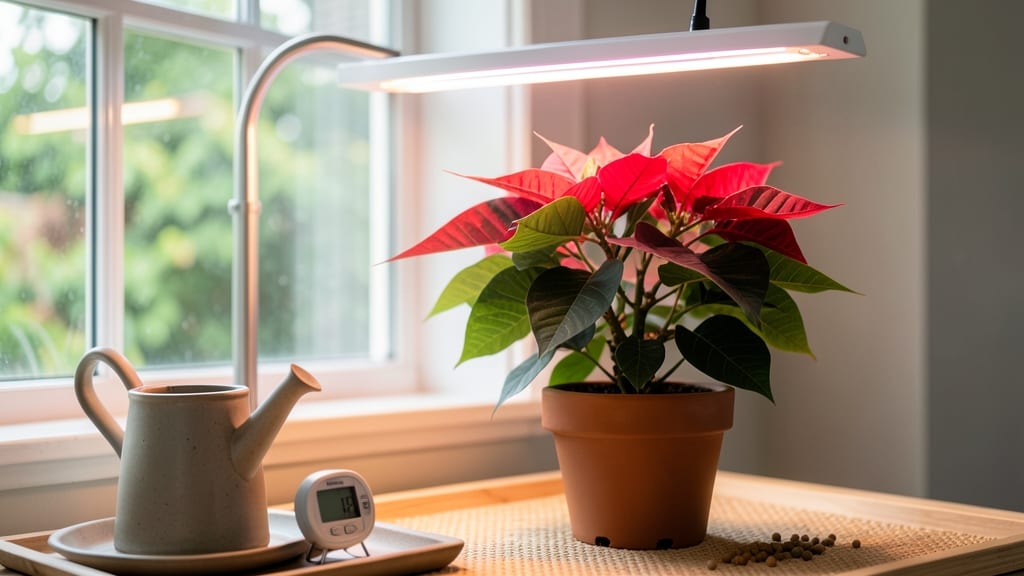
How to keep poinsettias red—it’s not just about the holidays, but a deliberate response to light and darkness. 🌱 I’ve kept mine vibrant for years by treating them like tiny tropical plants with specific needs, not just holiday decorations. The key? Understanding why they lose color and how to trick them into staying red all year.
Most people overwater or move their plants too often, stressing the roots and fading the foliage. Instead, focus on bright indirect light (south or east windows work best), cool nights (60-65°F), and consistent moisture—never soggy soil.
The real secret? A 14-hour night treatment in winter to trigger that deep red pigment.
By summer, your poinsettia will look like a lush green shrub—but don’t panic. With the right adjustments (like pruning and controlled light), it’ll rebound and burst back into vibrant red when autumn rolls around. The payoff? A plant that stays stunning year-round, not just December.
This works for both indoor plants and outdoor varieties in warm climates. The only rule? Patience—poinsettias don’t rush, and neither should you. Let’s get yours glowing again.
📚 In This Guide
- What you need
- Instructions
- Tips and common mistakes
- Wrapping up and next steps
What you need
- ● Poinsettia plant(s): Healthy, mature plants with vibrant red bracts (check for pests or yellowing leaves before starting).
- ● Well-draining potting mix: A blend of peat moss, perlite, and pine bark (or a pre-mixed cactus/succulent mix). Quantity: Enough to repot if needed (10-12 inches pot per plant).
- ● 6-inch pots with drainage holes: Terracotta or plastic (avoid overcrowding—1 plant per pot).
- ● Balanced liquid fertilizer: 10-10-10 or 20-20-20 NPK ratio (diluted to half-strength). Quantity: Small spray bottle or watering can.
- ○ Grow lights or sunny windowsill: 6-8 hours of indirect light daily (south- or west-facing windows work best). Optional: LED grow lights (12+ inches above plants).
- ● Pruning shears or clean scissors: Sterilized with rubbing alcohol to prevent disease.
- ● Misting bottle: For humidity control (especially in dry climates).
- ● Thermometer/hygrometer: To monitor temperature (65–75°F) and humidity (40–50%).
- ● Rooting hormone: To encourage healthy regrowth after pruning.
- ● Peat moss or coconut coir: For extra moisture retention in dry environments.
- ● Reflective surfaces: White paper or aluminum foil to boost light exposure near windows.
- ● Plant labels: To track light exposure, watering schedules, and fertilizer dates.
Step-by-Step instructions for maintaining poinsettia color year-round
Here's the science-backed routine I use to keep my poinsettias vibrant through winter and beyond.
☀️ Step 1: Master Light Exposure for Consistent Color
Poinsettias need 6-8 hours of bright, indirect light daily to maintain their signature red bracts. Place them near an east-facing window or under a grow light that mimics natural sunlight. Direct sun will scorch the leaves, while insufficient light causes bracts to fade to green or yellow.
Rotate the plant a quarter turn weekly so growth stays even. You'll notice one side growing toward the light—this is your cue to reposition. In winter, supplement with a 12-hour photoperiod using a simple LED bulb if natural light drops below 6 hours.
💧 Step 2: Water with Precision to Avoid Stress Signals
Water when the top inch of soil feels dry—stick your finger in first to check. Overwatering causes yellow leaves and root rot, while underwatering makes bracts drop prematurely. Use room-temperature water to avoid shocking the roots, and always water at the base to keep foliage dry.
I like to bottom-water my poinsettias: place the pot in a shallow tray of water for 10-15 minutes, then drain completely. This method prevents water from pooling in the saucer, which leads to root suffocation. Yellowing leaves usually mean you're overwatering—let the soil dry out more between waterings.
⏰ Step 3: Simulate Short Days to Trigger Bract Production
Here's the thing—poinsettias need 12+ hours of darkness daily to produce their colorful bracts. Start this routine in early September by covering the plant completely with a black box or blanket for 14 hours each night. Even a single hour of light exposure will prevent color development.
Be consistent for 6-8 weeks—this is how you force the plant into its flowering cycle. After the initial period, you can reduce to 12 hours of darkness to maintain color. If your poinsettia loses its red hue, it's likely getting too much light at night.
🌿 Step 4: Fertilize Strategically for Vibrant Growth
Use a balanced 10-10-10 fertilizer diluted to half-strength every 4-6 weeks during the growing season (spring through fall). Stop fertilizing in late fall to let the plant rest. Over-fertilizing causes salt buildup in the soil, which burns roots and makes leaves crispy at the edges.
I switch to a low-nitrogen, high-phosphorus formula (5-10-5) in late summer to encourage flowering. Apply it when you repot the plant in early spring—this gives roots a nutrient boost for the upcoming growth cycle. Always water before and after fertilizing to prevent root burn.
✂️ Step 5: Prune and Repot for Next Season's Success
After the holidays, prune stems back to 4-6 inches above a leaf node. This encourages bushier growth and prevents leggy stems. Remove any yellow or damaged leaves immediately—they drain energy from the plant and attract pests.
Repot in early spring using fresh well-draining potting mix. Choose a container just 1-2 inches larger than the current one—poinsettias hate being root-bound. Trim any circling roots gently with sterilized scissors before repotting to encourage outward growth.
Tips & tricks for maintaining poinsettia vibrancy
These science-backed strategies will help you extend your poinsettia's stunning color well beyond the holidays.
Light Exposure Secrets: The 6-8 hours of bright, indirect light in Step 1 is non-negotiable for those signature red bracts. I've found that east-facing windows provide the perfect balance—morning sun without harsh afternoon rays. For indoor setups, position your poinsettia within 3 feet of a south-facing window or use a full-spectrum LED grow light for 12 hours daily if natural light falls short. Watch for leaves leaning toward the light as your cue to rotate the plant that quarter turn weekly.
Watering Wisdom: That top inch soil check in Step 2 is your golden rule, but here's the thing about bottom-watering: use a tray that's only 1-2 inches deep to prevent over-soaking. I've ruined plants by leaving them sitting in saucers of water for too long—always drain completely after those 10-15 minutes. For extra insurance, I add a layer of pebbles to the tray to create an air gap that prevents root suffocation.
Darkness Protocol: The 14-hour darkness requirement in Step 3 might seem extreme, but here's my pro tip: use a blackout curtain instead of a box for easier coverage. Make sure it completely blocks even ambient light—those bracts are sensitive to tiny light leaks. I start this routine in early September and stick to it religiously for those 6-8 weeks. After that initial period, you can relax to 12 hours of darkness to maintain color without going all-out.
Fertilizer Strategy: When you switch to that 5-10-5 formula in late summer, here's what I do: mix it with water in a spray bottle and lightly mist the soil surface before watering. This prevents salt buildup while still delivering those phosphorus-rich nutrients. And remember—always water before and after fertilizing to protect those delicate roots from burn.
Pro Tips for Keep Poinsettias Red
- These science-backed strategies will help you extend your poinsettia's stunning color well beyond the holidays.
- Light Exposure Secrets: The 6-8 hours of bright, indirect light in Step 1 is non-negotiable for those signature red b...
- Watering Wisdom: That top inch soil check in Step 2 is your golden rule, but here's the thing about bottom-watering: ...
Frequently asked questions
Got questions about keeping your poinsettias boldly red all year? You’re not alone! Here are some of the most common queries—and their easy fixes.
Why are my poinsettia leaves turning green?
Poinsettias lose their red color when they get too much light (like direct sun) or not enough darkness (12+ hours of darkness daily). Move them to a bright, indirect spot (like an east-facing window) and ensure they get nighttime darkness to trigger red pigment production. If they’ve already gone green, don’t worry—just adjust their care and they’ll rebound!
How long does it take for poinsettias to turn red again?
With the right conditions, you’ll see color changes in 4–6 weeks. Start by giving them 12–14 hours of darkness nightly (use a box or cover them) for 6–8 weeks before the holidays. Consistency is key—skip a night, and the process resets. Patience pays off with vibrant red!
Can I keep a poinsettia red indoors year-round?
Yes! Treat them like houseplants with a schedule. Keep them in moderate light (no direct sun), water when the top inch of soil is dry, and mimic winter conditions (cooler temps, 60–70°F) to maintain color. In summer, move them outside gradually to avoid leaf burn, then bring them back indoors before fall to restart the red cycle.
What’s the best poinsettia variety for long-lasting red?
Look for ‘Premier Red,’ ‘Christmas Eve Red,’ or ‘Winter Rose Red’ varieties—they’re bred to hold color longer. Avoid bicolor or marbled types (like ‘White Christmas’), as their colors fade faster. Pro tip: Check labels at nurseries or buy from reputable sellers for the deepest, most reliable red!
My poinsettia’s leaves are drooping—what’s wrong?
Drooping usually means overwatering or underwatering. Let the soil dry out slightly between waterings (stick your finger in—if it’s soggy, wait!). Also, check for root rot (yellow leaves, mushy stems) or pests (like spider mites). Move to a warmer spot (65°F+) and trim dead leaves to encourage new growth.
Can I force a poinsettia to bloom early?
Not without tricks! Poinsettias need short days and long nights (like winter) to bloom. If you want early color, start the 12-hour darkness treatment in early October (instead of November). Just know it’ll be less vibrant than natural timing. For guaranteed holiday red, stick to the traditional schedule!
Wrapping up and next steps
Keeping your poinsettias bold and red year-round is totally doable with the right care! Remember: light, temperature, and consistency are your best friends—give them 6+ hours of bright, indirect light, avoid drafts, and stick to a steady watering routine.
With these simple tweaks, your poinsettias will stay vibrant and cheerful, turning every room into a festive oasis. 🌿✨
Ready to level up your plant game? Try experimenting with different light sources or even propagating your favorite poinsettias to share the joy! Your green thumb is growing—keep it up! 🌟