
How To
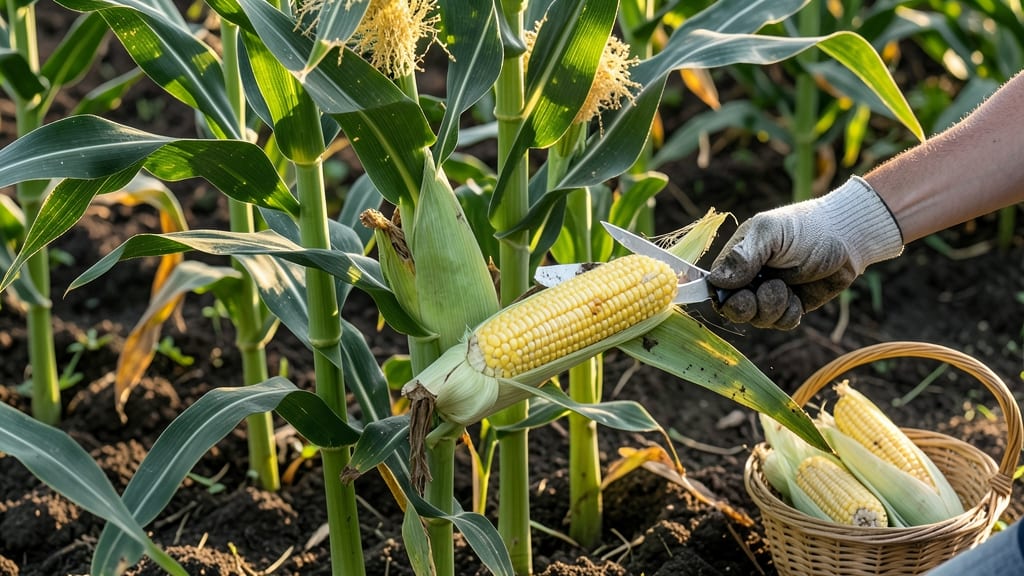
How to know when to pick sweet corn 🌽 can mean the difference between buttery perfection and tough, starchy disappointment. If you've ever pulled an ear too early—only to find it underdeveloped—or waited too long and ended up with dry, mealy kernels, you know how frustrating it can be.
The good news? Determining the perfect harvest time isn't just guesswork—it's a mix of simple visual cues and a quick physical test. I'll walk you through the three foolproof methods I use to guarantee sweet, juicy corn every time, so you never miss that peak moment again.
Why does timing matter so much? Because sweet corn's sugar content drops rapidly once it reaches full maturity. A few extra days in the field can turn that sweet, tender ear into something closer to field corn.
Let's cut to the chase and show you how to nail it every harvest.
From checking silk color to testing kernel firmness, these tactile tests take just seconds and give you the confidence to harvest at the perfect moment. Whether you're a first-time gardener or a seasoned grower, these tips will help you bring home corn that tastes like summer in every bite.
3 Tactile tests to determine sweet corn ripeness
Picking sweet corn at the perfect moment transforms your garden harvest from good to exceptional. The key lies in three simple tactile tests that reveal when kernels are packed with sugar and flavor.
I’ve used these methods for years, and they’ve never failed me—especially when I’m eager to enjoy that first ear of the season.
First, focus on the silks. When they turn from vibrant green to brown and crispy, it’s a clear signal that the ear is nearing maturity.
This change happens about 20-24 days after pollination, depending on your variety. Don’t wait until they’re completely dry, though—peak ripeness arrives just before they turn brittle.
Next, check the husks. Gently pull back the outer leaves to inspect the ear. Ready-to-pick corn will have husks that are tight but not overly constricting. If the husks pull back easily or feel loose, the corn may be past its prime.
This test is especially useful for supersweet varieties, which can spoil faster than standard types.
Here’s where it gets hands-on: press a kernel with your fingernail. If a milky liquid squeezes out, that’s your cue to harvest. This liquid is the sugar-rich sap that makes sweet corn taste incredible. If the kernel feels hard or releases a clear, watery liquid, it’s still too early.
- Ready: Silks turn brown and crispy (not green or brittle)
- Not Ready: Silks remain green and moist
- Why It Matters: Brown silks indicate 20-24 days post-pollination, prime for harvest
- Ready: Kernels feel plump and slightly soft when pressed
- Not Ready: Kernels are hard or starchy to the touch
- Why It Matters: Soft kernels release milky sap—peak sweetness
- Ready: Ear feels heavy for its size (full of moisture)
- Not Ready: Ear feels light and hollow when held
- Why It Matters: Heavy ears = maximum sugar content
Don’t overlook the ear’s weight—a ripe corn ear feels surprisingly heavy for its size. This weight comes from the high moisture content and packed kernels.
If the ear feels light, it’s likely underdeveloped. I once missed this cue and picked corn that tasted bland because the ears were still filling out.
For supersweet varieties, like 'Ambrosia' or 'Peaches and Cream', these tests are even more critical. These types convert sugar to starch faster than standard corn, so harvest within 1-2 days of passing these tests.
If you’re unsure, pick a few ears and taste-test them—your palate will quickly learn what "perfect" feels like.
Pro tip: Use a sharp knife to slice the ear from the stalk at the base. Twisting can damage the plant and reduce future yields. Always harvest in the morning when temperatures are cooler, as this preserves the corn’s freshness and sweetness longer.
Finally, keep an eye on the maturity days listed on your seed packet. While tactile tests are foolproof, they work best when paired with this baseline. For example, if your packet says 70 days to maturity, start testing around day 65.
This gives you a 5-day window to catch the sweetest ears.
Mastering these tests will turn your sweet corn harvest from hit-or-miss to consistently delicious. The next time you’re standing in your garden with a basket in hand, trust your fingers—they’ll never steer you wrong.
3 Tactile tests to determine sweet corn ripeness
Sweet corn reaches peak flavor at a very specific moment—when its sugar content is highest and starch conversion hasn’t begun. To nail this window, I rely on three simple tactile tests that reveal ripeness without guesswork. These methods work for all varieties, from classic Silver Queen to supersweet types.
First, check the silk color. When silks turn from bright green to tan or brown, that’s your first clue. The drying process signals the corn is nearing maturity. But don’t stop there—this alone isn’t foolproof, especially in humid climates where silks may dry prematurely.
Next, examine the husk tension. Gently peel back the outer husk—if it resists slightly and feels snug around the ear, the corn is likely ready. A loose or easily pulled-back husk suggests it’s past its prime.
This test helps distinguish between underripe and overripe ears, which can taste starchy or even woody.
The most reliable test? The kernel pierce. Use your fingernail to gently press a kernel. If it releases a milky white liquid, congratulations—you’ve hit the sweet spot. A clear or watery liquid means the corn is overripe, while no liquid at all signals it’s still too early.
This test is especially critical for supersweet varieties, which lose sweetness faster than standard types.
Pro tip: Check ears in the morning when temperatures are cooler. Corn’s sugar content peaks early and declines as the day warms up. If you’re harvesting multiple ears, prioritize the ones that pass all three tests—these will deliver the best flavor and texture.
For beginner gardeners, I recommend harvesting a few ears a day once silks start drying. This way, you’ll catch at least one perfect ear, even if others aren’t quite ready.
And remember: overripe corn can still be used for homemade cornmeal or freezing, but it won’t compare to that fresh-picked sweetness.
Once you master these tests, you’ll never second-guess your harvest timing again. The key is consistency—check your corn daily during its peak ripening window, and you’ll enjoy that buttery, juicy perfection every time. 🌽