
Tools
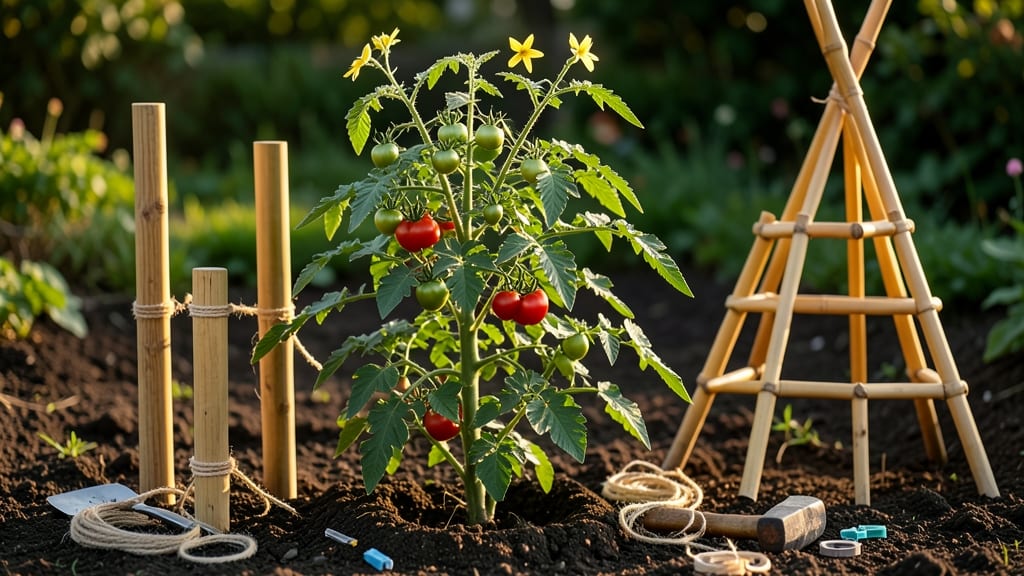
Making tomato trellises transformed my garden from a tangled mess to a neat, productive display. 🌱 Last summer, my beefsteak tomatoes sprawled everywhere—until I built simple bamboo stakes that kept vines off the ground and doubled my harvest.
The right support isn't just about looks; it's about airflow, disease prevention, and making those heavy fruits easy to pick.
You don't need fancy materials—just sturdy stakes (bamboo, wooden dowels, or metal rods), strong twine, and a few minutes. For indeterminate varieties, aim for 6-8 feet tall supports spaced 18-24 inches apart.
Determinate tomatoes? Sturdy cages work great. The key is securing the trellis before vines get too heavy—once they're sprawling, it's a struggle to add support later.
With proper trellising, you'll see thicker stems, fewer broken branches, and tomatoes that ripen evenly in the sun. No more digging through foliage for fruit or battling fungal diseases from wet leaves touching soil. Plus, harvesting becomes a breeze—just reach up and pluck ripe tomatoes without bending over.
Works for any garden size, from balcony containers to full backyard plots. Here's how to build yours in under an hour—no special tools required. Let's get those vines climbing!
📚 In This Guide
- What you need
- Instructions
- Tips and common mistakes
- Wrapping up and next steps
What you need
- ● Main Trellis Structure: Wooden Posts (4x4 or 2x4) – 2-4 posts, 6-8 feet tall (depending on height preference)
- ● OR Metal T-Posts – 2-4 posts, 6-8 feet long (galvanized for durability)
- ● OR Sturdy Bamboo Stakes – 4-6 stakes, 6-8 feet tall (for a natural look)
- ● Cross Supports: Wooden Laths or Dowels – 4-6 pieces, 3-4 feet long (½-inch diameter)
- ● OR Metal Wire (12-14 gauge) – 20-30 feet (for a crisscross design)
- ● OR Twine or Jute Rope – 50+ feet (for a rustic, plant-friendly option)
- ● Fasteners: Galvanized Nails or Screws – 10-15 pieces (2-3 inches long)
- ● OR Zip Ties – 10-15 heavy-duty ties (for quick assembly)
- ● OR Wire Twist Ties – 20+ ties (for adjustable supports)
- ● Post Hole Digger – For securing wooden/metal posts deep into the ground.
- ● Concrete or Gravel – 1-2 bags (to anchor posts if needed).
- ● Staple Gun – For attaching twine or wire to wood/metal frames.
- ● Paint or Stain – To protect wood from weather (if using lumber).
- ● Measuring Tape & Level – For precision (especially for taller trellises!).
Step-by-step instructions for building tomato trellises
Here's how I build strong, flexible supports that keep tomato vines off the ground and prevent disease.
🪴 Step 1: Gather Materials for a Sturdy Frame
For each trellis, you'll need four 6-foot wooden stakes (2x2 inches or thicker), 10 feet of heavy-gauge wire (14-16 gauge), and a hammer. I prefer untreated cedar stakes because they resist rot and last multiple seasons. If you don't have a hammer, a mallet or even a sturdy rock works—just be gentle to avoid splitting the wood.
Cut the wire into four 3-foot lengths using wire cutters. Each length will form the horizontal crossbar for one stake. Bend one end of each wire into a small hook (about 1 inch long) to help secure it later. This hook prevents the wire from slipping when you tighten it around the stake.
🌱 Step 2: Assemble the Basic Trellis Structure
Drive the first stake 6 inches deep into the ground at the edge of your planting area. Use a level to ensure it stands vertically—this is critical for stability. Once the first stake is secure, wrap one of the pre-cut wire lengths around it, positioning the hook at the top. Twist the free end of the wire tightly around the stake 3-4 times to anchor it firmly.
Repeat this process with the remaining three stakes, spacing them 3 feet apart in a straight line. The wire should extend 2-3 feet above the ground at the top, creating a horizontal bar. This height gives vines room to grow upward without crowding. If your stakes lean slightly, adjust by gently tapping them into the ground until they're plumb.
☀️ Step 3: Add Cross Supports for Heavy Vines
Take the second wire length and bend it into a U-shape, positioning it 1 foot above the first horizontal bar. Secure the ends of this U-shape to the two outer stakes by wrapping them tightly around the existing wire. This creates a secondary support level for vines to climb. Repeat this step with the remaining two wire lengths, spacing them 1 foot apart vertically—you should now have three horizontal bars at 1-foot intervals.
For indeterminate tomato varieties (like Sungolds or Brandywines), add a third U-shaped wire 2 feet above the second bar to give vines extra support. The more horizontal bars you add, the better the vines can distribute their weight. I always test the stability by gently pulling on each wire—if it wobbles, tighten the wraps or add another stake for reinforcement.
✂️ Step 4: Secure the Trellis to the Ground
To prevent the trellis from toppling in wind or when vines get heavy, drive the four stakes 6 inches deeper into the ground. Angle the outer stakes slightly inward at the base to create a wider footprint. This simple adjustment mimics the natural stability of a tripod. If your soil is loose, mix in a handful of sand or gravel around the base of each stake to improve anchorage.
For extra security in windy areas, tie the trellis to a nearby post or fence using zip ties or soft garden twine. Loop the twine around the top horizontal bar and secure it to the post without pulling too tight—you want flexibility, not rigidity. This step is especially important if you're growing large, prolific varieties like beefsteak tomatoes.
⏰ Step 5: Train Vines as They Grow
Once seedlings are transplanted, gently tie the main stem to the lowest horizontal wire using soft plant ties or old fabric strips. Avoid wire or plastic ties—they can cut into the stem as it thickens. As the vine grows, guide it upward along the trellis, securing it to each new horizontal bar every 6-12 inches. This encourages upward growth and prevents the vine from snapping under its own weight.
Prune suckers (the small shoots that grow in the leaf axils) regularly to focus the plant's energy on fruit production rather than excessive foliage. The goal is to keep the vine growing vertically while maintaining an open structure that allows sunlight to reach the fruit. With proper training, your tomatoes will climb to the top of the trellis, leaving the ground clear and reducing disease risk.
Tips & tricks for sturdy tomato trellis construction
Building a reliable trellis takes just minutes—but these small details make all the difference between a flimsy structure and one that lasts all season.
Stake Selection Wisdom: Untreated cedar stakes are my go-to because they resist rot and last multiple seasons, but if you're working with heavier varieties like beefsteaks, consider 2x4-inch pressure-treated lumber for extra durability. The 6-inch depth you drive them matters—shallow stakes will lean, especially in windy conditions. I've learned this the hard way after watching trellises collapse under heavy vines!
Wire Hook Technique: That 1-inch hook at the end of each wire length isn't just decoration—it's what prevents the wire from slipping when you twist it around the stake. Bend it carefully with pliers to create a clean, secure anchor point. Pro tip: Use 14-16 gauge wire for the right balance of strength and flexibility; thinner wire will sag under weight, while thicker wire is harder to work with.
Structural Stability Check: Before you even think about planting, test your completed trellis by gently pulling on each wire and stake. If anything wobbles, you need to either tighten the wraps or add another stake for reinforcement. I always do this before securing the vines—it saves headaches later when your tomatoes start weighing down the structure. Think of it as a stress test for your garden support system.
Vine Training Shortcut: Instead of using commercial plant ties that can damage stems, I save old fabric strips from clothing or use soft garden twine. The key is to tie the main stem every 6-12 inches as it grows, but never too tightly—you want to guide, not strangle. This creates a natural upward growth pattern while keeping the vine's circulation intact. It's like giving your tomato plant a gentle hug that encourages it to climb.
Pro Tips for Make Tomato Trellises
- Building a reliable trellis takes just minutes—but these small details make all the difference between a flimsy struc...
- Stake Selection Wisdom: Untreated cedar stakes are my go-to because they resist rot and last multiple seasons, but if...
- Wire Hook Technique: That 1-inch hook at the end of each wire length isn't just decoration—it's what prevents the wir...
Frequently asked questions
Got questions about building tomato trellises? You’re not alone! Here are answers to the most common ones—so you can get your vines climbing with confidence.
What’s the best time to install a tomato trellis?
Install your trellis before planting tomatoes—ideally when you’re setting up your garden beds. For indeterminate varieties (like cherry tomatoes), add support as vines grow. If using stakes or cages, place them 6–8 inches deep in the soil for stability. Pro tip: If retrofitting, gently weave vines through the structure to avoid damaging stems.
Can I use wood scraps or pallets for a DIY trellis?
Wood scraps, pallets, or even old ladders work great—just sand rough edges and treat them with non-toxic wood sealant to prevent rot. Avoid pressure-treated wood near edible plants. For a quick fix, repurpose bamboo stakes or metal mesh (like hardware cloth) for a lightweight option. Bonus: Paint or stain wood to match your garden aesthetic!
How do I keep tomato vines from snapping when trellising?
Gently tie vines to the trellis with soft plant ties (like old T-shirts or horticultural tape) every 12–18 inches. Avoid tight knots—leave room for growth! If vines break, prune back to a healthy leaf and support the remaining plant. For heavy varieties (like beefsteaks), use two stakes per plant in a "V" shape for extra support.
What’s the difference between a trellis and a cage for tomatoes?
Trellises
(like A-frames or stakes) encourage vertical growth, saving space and improving airflow to reduce disease. Cages (wire or plastic) are easier for busy gardeners but may require more pruning to prevent tangles. Trellises work best for indeterminate tomatoes; cages suit determinate varieties (like Roma). Need a hybrid? Try a combination of a stake + light cage!
Why are my trellised tomatoes falling over even with support?
Overwatering, poor soil nutrition, or blossom end rot can weaken vines. Check for:
- Root issues: Ensure stakes are deep enough (6+ inches) and soil drains well.
- Watering: Keep soil consistently moist but not soggy.
- Fruit load: Prune excess flowers/fruit if vines struggle to support them.
- Wind: Add stakes or guy wires in windy areas.
If vines are still wobbly, switch to a heavier-duty trellis (like thick bamboo or metal pipes) for next season.
Wrapping up and next steps
Building your own tomato trellis is easier than you think—and the rewards are huge! 🌱 With just a few simple materials and a little creativity, you’ll transform your garden into a thriving, space-saving paradise.
Whether you’re a seasoned gardener or a beginner, this project is a game-changer for keeping vines healthy and your harvests abundant.
Now that you’re armed with the know-how, roll up your sleeves and get building! Once your trellis is up, take the next step: plant those tomatoes and watch your garden flourish. Happy growing! 🌿